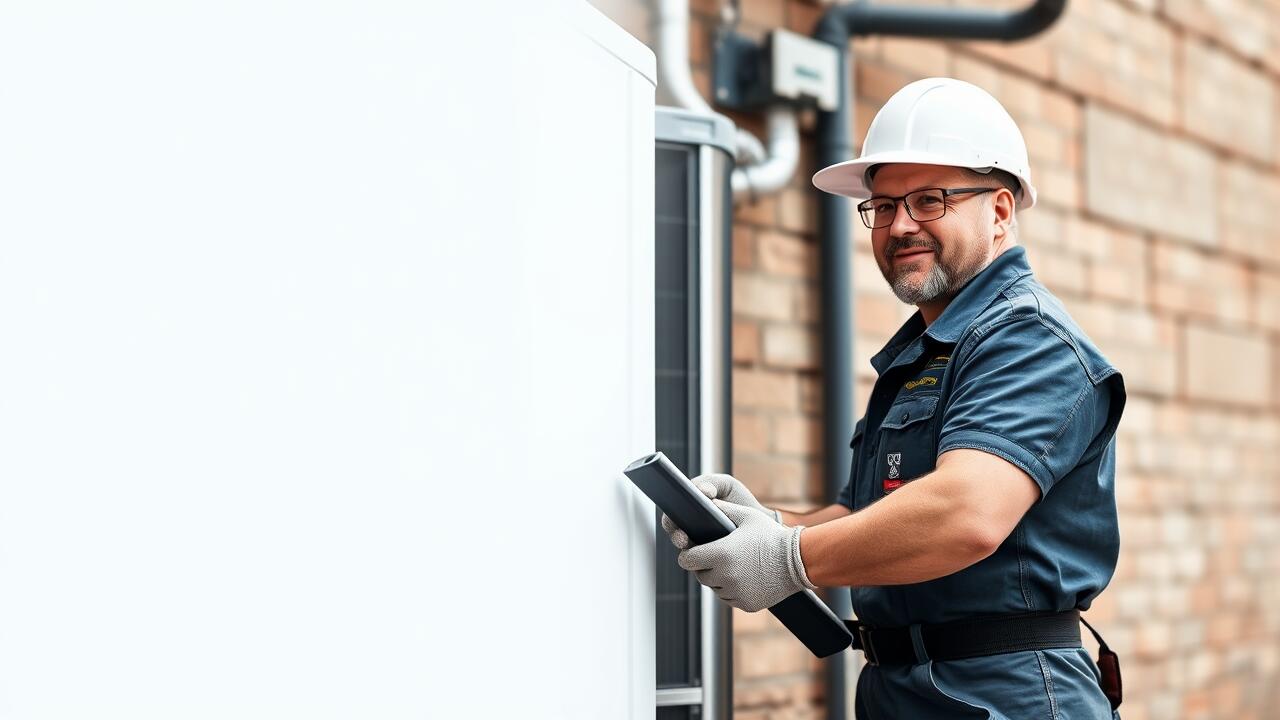
At Air Conditioning Installation, we specialise in providing top-notch heat pump solutions that ensure efficient climate control for your home or business. Our expert team is dedicated to helping clients select and install the most suitable heat pump systems tailored to their specific needs. Heat pumps are an environmentally friendly option, offering both heating and cooling capabilities while significantly reducing energy consumption compared to traditional heating systems. With our comprehensive installation process and commitment to quality, we guarantee optimal performance and reliability, ensuring that your indoor environment remains comfortable throughout the year. Trust Air Conditioning Installation for all your heat pump needs, and experience the perfect balance of comfort and efficiency.
Heat Pump Maintenance Tips
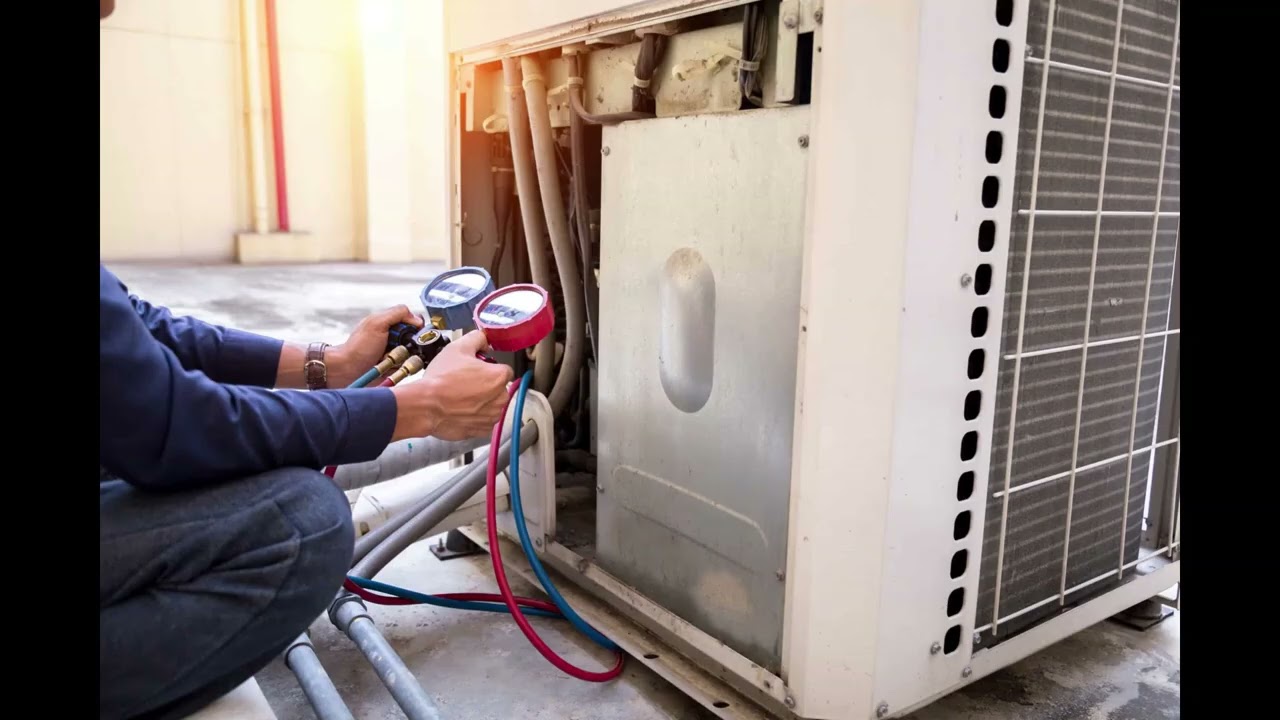
Regular maintenance is crucial for ensuring the efficient operation of heat pumps. Homeowners should schedule professional inspections at least once a year to check for issues such as refrigerant levels, electrical connections, and overall system performance. Simple tasks can also be performed, like cleaning or replacing air filters every few months. A clean filter allows for better airflow and enhances the heat pump's efficiency, ultimately prolonging its lifespan.
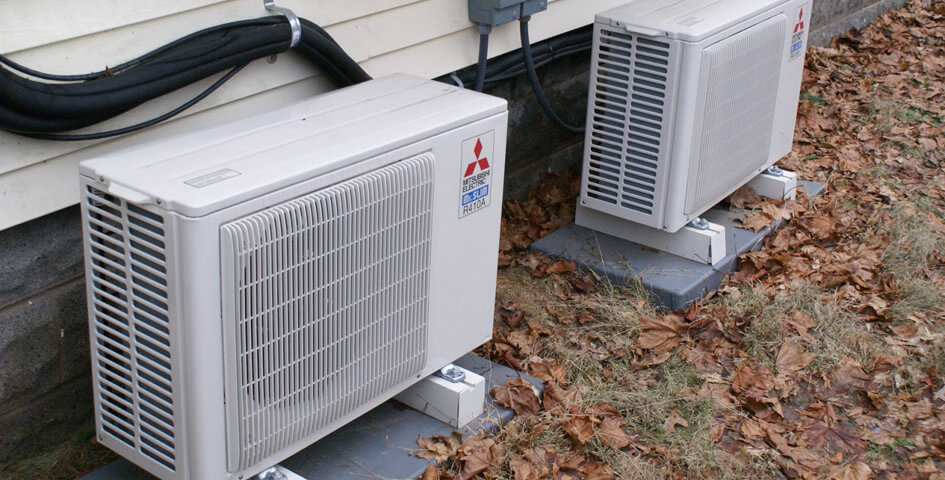
Keeping the outdoor unit clear of debris is another essential aspect of maintenance. Leaves, dirt, and snow can accumulate, blocking airflow and affecting performance. Check the area surrounding the unit to ensure adequate space for ventilation. Additionally, homeowners should monitor the system for unusual noises or inconsistent heating and cooling. Addressing these concerns early can prevent more significant issues down the line.
Discover more here.
Essential Maintenance Practices for Longevity
Regular cleaning of the heat pump’s outdoor unit is crucial for its efficiency. Debris such as leaves, dirt, and snow can obstruct airflow and lead to decreased performance. Homeowners should ensure that the area surrounding the unit is clear and that the coils are free from blockages. Using a soft brush or a vacuum can help maintain cleanliness, preventing dirt buildup that could impact functionality.
Routine checks of the system’s filters are equally important. Clogged filters can restrict airflow and cause the heat pump to work harder, resulting in higher energy bills and potential damage to the system. Replacing or cleaning the filters every one to three months, depending on usage and environmental factors, can significantly enhance the longevity and efficiency of the heat pump. Implementing these practices can lead to optimal performance over the years.
Common Issues with Heat Pumps
Heat pumps are quite efficient but are not without their challenges. One common issue is inadequate heating or cooling, often attributed to dirty filters or blocked air ducts. When the airflow is restricted, the system struggles to maintain the desired temperature, leading to discomfort in the home. Regular maintenance, including filter changes and duct cleaning, is essential to prevent this problem from escalating.
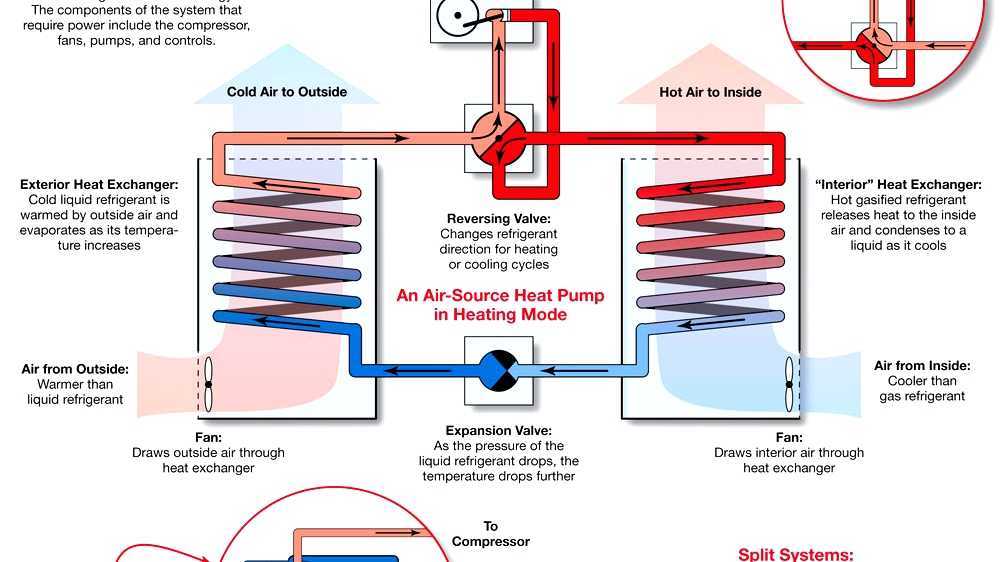
Another frequent issue involves the heat pump’s reversing valve, which is responsible for switching the system between heating and cooling modes. If the valve malfunctions, it can result in the heat pump failing to operate correctly or producing the wrong temperature. Homeowners might notice unexpected fluctuations in comfort levels or inefficiency in energy usage. Addressing these issues promptly can save on repair costs and ensure optimal performance throughout the year.
Troubleshooting Tips for Homeowners
Homeowners often encounter minor issues with heat pumps that can be resolved without professional help. A common first step in troubleshooting is to check the thermostat settings. Ensuring that the thermostat is set to the correct mode and temperature can prevent unnecessary complaints about inadequate heating or cooling. If the system does not respond, checking power connections and circuit breakers may reveal simple electrical issues that can be easily rectified.
Another frequent problem arises from inadequate airflow. Clogged air filters can significantly impact the system’s efficiency and performance. Homeowners should inspect and replace filters regularly to maintain optimal airflow. Additionally, clearing any obstructions around the outdoor unit can help avoid overheating and ensure the system runs smoothly. Addressing these issues promptly can lead to better performance and extend the lifespan of the heat pump.
Heat Pumps vs. Traditional Systems
In the realm of heating and cooling, heat pumps offer a distinct alternative to traditional systems. Unlike conventional heating methods that generate warmth through combustion or electric resistance, heat pumps transfer heat from one location to another. This mechanism makes them more energy-efficient, often resulting in lower energy bills and a reduced carbon footprint. The ability to both heat and cool spaces using a single system adds to their appeal, providing versatility that traditional systems may lack.
Heat pumps also tend to require less maintenance compared to traditional furnaces or air conditioners. Their simpler design, which primarily relies on refrigerant flow, means fewer moving parts that could fail. While traditional systems may depend on combustion processes that necessitate regular inspections for safety, heat pumps operate without combustion, reducing concerns around emissions and the need for complex venting systems. Homeowners are often drawn to the efficiency, safety, and ease of use that heat pumps provide, making them a popular choice in modern building practices.
Key Differences and Advantages
Heat pumps operate by transferring heat rather than generating it, making them more energy efficient than traditional heating systems. They can serve dual purposes, providing both heating and cooling, which optimises energy use throughout the year. This versatility not only reduces the number of systems needed for climate control in a home but also lowers overall energy costs. By relying on ambient temperatures, heat pumps can achieve significant reductions in greenhouse gas emissions compared to systems that burn fossil fuels.
Installation and maintenance of heat pumps can differ considerably from those of conventional systems. While traditional boilers may require regular fuel deliveries, heat pumps employ electricity and can be connected to renewable energy sources, further enhancing their eco-friendliness. The compact nature of heat pumps allows for flexible installations in various property types, making them suitable for both new and existing buildings. Being quieter in operation, they can create a more pleasant indoor environment compared to some traditional systems, which may produce noticeable noise.
FAQS
What is a heat pump and how does it work?
A heat pump is an energy-efficient system that transfers heat from one place to another, typically from the outside air or ground into your home for heating, or vice versa for cooling. It works by using a refrigerant that absorbs and releases heat as it circulates through the system.
How often should I maintain my heat pump?
It is generally recommended to have your heat pump serviced at least once a year. Regular maintenance can help ensure optimal performance, increase energy efficiency, and prolong the lifespan of the unit.
What are some common issues that can occur with heat pumps?
Common issues with heat pumps include inadequate heating or cooling, strange noises, frozen coils, and frequent cycling on and off. These problems can often be diagnosed and resolved with proper troubleshooting.
Can I troubleshoot heat pump issues myself?
Yes, homeowners can perform some basic troubleshooting steps, such as checking the thermostat settings, inspecting the air filters, and ensuring that the outdoor unit is free from debris. However, for more complex issues, it is advisable to contact a professional technician.
How do heat pumps compare to traditional heating systems?
Heat pumps are generally more energy-efficient than traditional heating systems, such as furnaces or boilers. They can both heat and cool your home, offer lower operating costs, and have a smaller environmental impact, making them a popular choice for modern heating and cooling solutions.