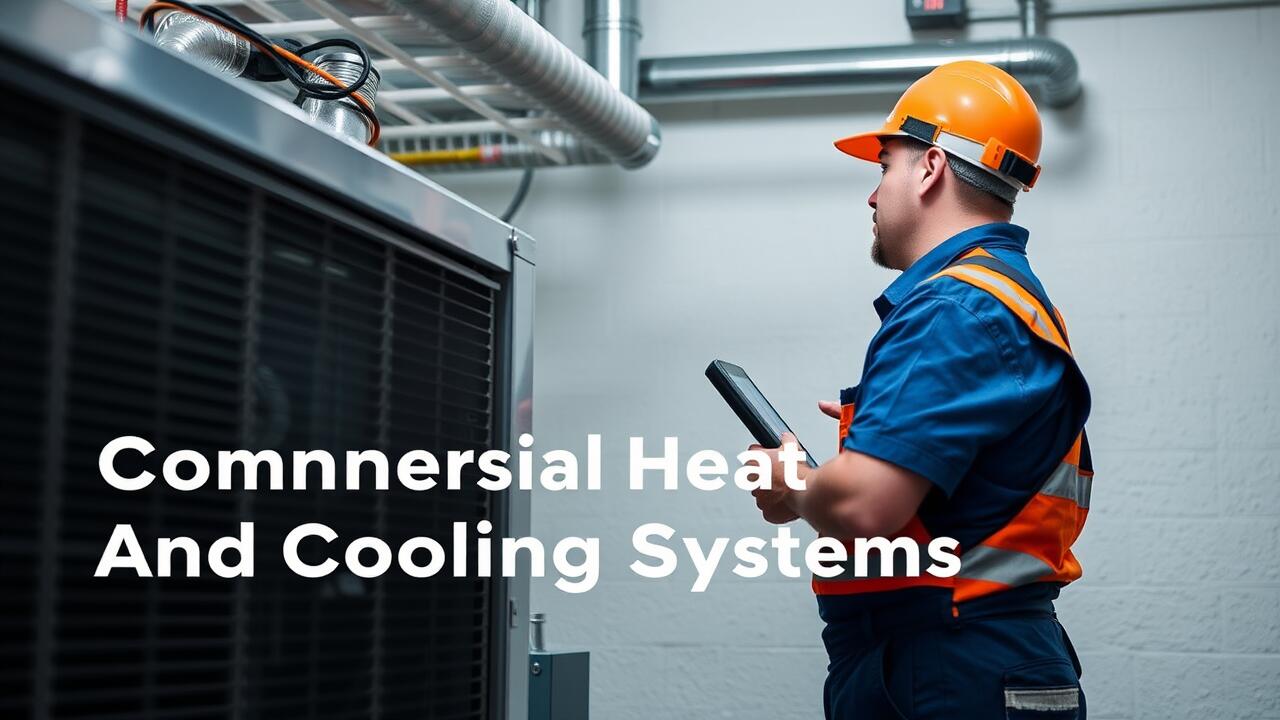
Air Conditioning Installation specialises in providing top-notch Commercial Heating and Cooling Systems designed to optimise indoor climates for businesses of all sizes. Our expert team is dedicated to delivering customised solutions that ensure maximum efficiency and comfort, tailored specifically to meet the unique demands of your commercial space. From initial consultation and system selection to precise installation and ongoing maintenance, we prioritise reliability and performance, helping to create a productive and pleasant environment for both staff and customers. With a commitment to using the latest technology and high-quality equipment, we guarantee sustainable and cost-effective heating and cooling solutions that keep your business running smoothly throughout the year.
Energy Efficiency Standards
Energy efficiency is a crucial aspect of modern commercial heating and cooling systems. Many businesses now prioritise eco-friendly solutions, both for sustainability and for reducing operational costs. Various regulations and standards dictate the minimum efficiency requirements for these systems. The Department for Business, Energy & Industrial Strategy, as well as international organisations, promote guidelines that encourage the adoption of higher efficiency units. Compliance not only helps businesses save on energy bills but also enhances their reputation as responsible corporate citizens.
Meeting energy efficiency standards involves selecting equipment that aligns with the latest regulations. Companies should evaluate the Seasonal Energy Efficiency Ratio (SEER) and Energy Efficiency Ratio (EER) ratings of air conditioning units. Ventilation systems must also adhere to these ratings, ensuring adequate airflow with reduced energy consumption. Regular maintenance is essential to ensure systems operate at peak efficiency. Neglecting this can lead to performance issues and increased energy usage, counteracting initial sustainability efforts.
Their blog is a great resource for information.
Compliance with Regulatory Requirements
Commercial heating and cooling systems must adhere to various regulatory requirements to ensure safety, efficiency, and environmental responsibility. Regulations often encompass energy efficiency standards, emissions controls, and safety protocols. Compliance not only helps businesses avoid costly fines but also enhances their reputation. Regular inspections and audits can help maintain adherence to these regulations while promoting the longevity of HVAC systems.
Understanding the specific requirements applicable to a business depends on its location and the nature of operations. Local and national guidelines may vary, leading to different obligations for different industries. Engaging with a knowledgeable HVAC contractor can provide clarity on these requirements and ensure that installations and maintenance practices align with current laws. This partnership is crucial for navigating the complexities of compliance and ensuring optimal performance of commercial HVAC systems.
Common Issues in Commercial HVAC
Regular maintenance can significantly reduce the frequency of issues within commercial HVAC systems. However, challenges such as uneven temperature distribution, high energy costs, and unusual noises often persist. These symptoms can indicate underlying problems. For instance, poor airflow may result from clogged filters or malfunctioning fans, while inconsistent temperatures might point to issues with the thermostat or ductwork.
Additionally, leaks in refrigerant lines can lead to inefficient cooling and increased energy consumption. Business owners should also be mindful of strange sounds, which may suggest mechanical failures or loose components. Timely diagnosis and attention to these warning signs can help maintain the efficiency and effectiveness of heating and cooling systems. Taking proactive measures not only enhances comfort but can also contribute to cost savings over time.
Diagnosing and Troubleshooting Problems
Identifying issues within a commercial HVAC system often begins with observing performance discrepancies. Unusual noises, inconsistent temperatures, and fluctuating energy bills can all signal underlying problems. Regular maintenance checks should be conducted to spot potential faults before they escalate. Trained technicians typically use advanced diagnostic tools to evaluate the system’s operational efficiency. Through systematic testing of key components, they can pinpoint issues related to airflow, refrigerant levels, or electrical connections.
Implementing a troubleshooting approach requires a methodical examination of the entire heating and cooling system. Start by reviewing the thermostat settings and calibrating if necessary. Inspecting filters for dirt accumulation can reveal airflow restrictions. Additionally, examining ductwork for leaks or blockages is crucial. Comprehensive checks on the mechanical components, such as motors and condensers, can often uncover less obvious problems. Addressing these elements promptly helps maintain a functional system and ensures optimal energy performance.
Selecting the Right HVAC System
Choosing the appropriate HVAC system for a commercial space necessitates careful consideration of various factors. The size and layout of the building play critical roles in determining which system will be most effective. Larger facilities may benefit from centralised systems, while smaller spaces could operate efficiently with split systems. Additionally, the specific needs of the business, including employee comfort levels, equipment operation, and energy consumption goals, should inform the selection process.
Energy efficiency is another crucial aspect to keep in mind. Opting for a system with a high Seasonal Energy Efficiency Ratio (SEER) rating can lead to significant savings on utility bills over time. Furthermore, the integration of advanced technologies such as smart thermostats and variable refrigerant flow systems can enhance performance and adaptability. Evaluating long-term maintenance costs and the availability of replacement parts is equally important to ensure sustainability and reliability throughout the system's lifespan.
Factors to Consider for Your Business
Selecting an appropriate heating and cooling system requires careful consideration of various factors to ensure optimal performance and energy efficiency. The size of the space is crucial; an oversized or undersized system can lead to inefficiencies and higher operational costs. It is also advisable to evaluate the layout of the premises, as airflow and ductwork configuration can significantly impact system effectiveness. Moreover, local climate conditions play a vital role in determining the specifications and capabilities needed for both heating and cooling systems.
Budget constraints should be factored in from the outset. Initial installation costs, as well as long-term operating and maintenance expenses, will influence the overall decision-making process. Businesses should explore energy efficiency ratings, as systems with higher ratings can reduce electricity costs over time. Additionally, assessing the compatibility of new systems with existing infrastructure can avoid unnecessary expenses and complications during installation, ensuring a seamless integration into the business's operational framework.
FAQS
What are energy efficiency standards in commercial heating and cooling systems?
Energy efficiency standards are guidelines and regulations set by governmental and regulatory bodies to ensure that HVAC systems operate efficiently, reducing energy consumption and environmental impact while maintaining comfort levels in commercial spaces.
How can businesses ensure compliance with regulatory requirements for HVAC systems?
Businesses can ensure compliance by staying informed about local and national regulations, conducting regular system checks, and working with certified HVAC professionals who understand the necessary codes and standards for installation and maintenance.
What are some common issues faced in commercial HVAC systems?
Common issues include inefficient heating or cooling, unusual noises, poor indoor air quality, frequent breakdowns, and high energy bills, which can result from inadequate maintenance, old equipment, or improper installation.
How can I diagnose and troubleshoot problems with my HVAC system?
Diagnosing HVAC problems typically involves checking the thermostat settings, inspecting filters and ducts for blockages, listening for unusual noises, and observing system performance. For complex issues, it is advisable to consult a qualified HVAC technician.
What factors should I consider when selecting the right HVAC system for my business?
Important factors include the size of the space, the specific heating and cooling needs, energy efficiency ratings, initial and ongoing costs, the type of fuel available, and any regulatory requirements that may apply to your industry or location.