At Air Conditioning Installation, we specialise in providing top-quality heat pump solutions for homes, ensuring optimal comfort and energy efficiency throughout the year. Our expert team is dedicated to offering comprehensive installation services tailored to meet the unique heating and cooling needs of each household. By harnessing the natural energy from the environment, our cutting-edge heat pumps deliver reliable warmth in winter and refreshing coolness in summer, all while reducing energy consumption and lowering utility bills. With our commitment to excellent customer service and high standards of workmanship, we ensure that your home remains a haven of comfort, regardless of the season.
Installation Process for Heat Pumps
The installation of a heat pump requires careful planning and consideration of the home's specific needs. First, a thorough assessment of the property's heating and cooling requirements should be conducted to determine the ideal type and size of the heat pump. Proper placement of indoor and outdoor units is essential for optimal performance. A clear pathway for refrigerant lines must be established, ensuring minimal disruption to the home’s aesthetics and functionality.
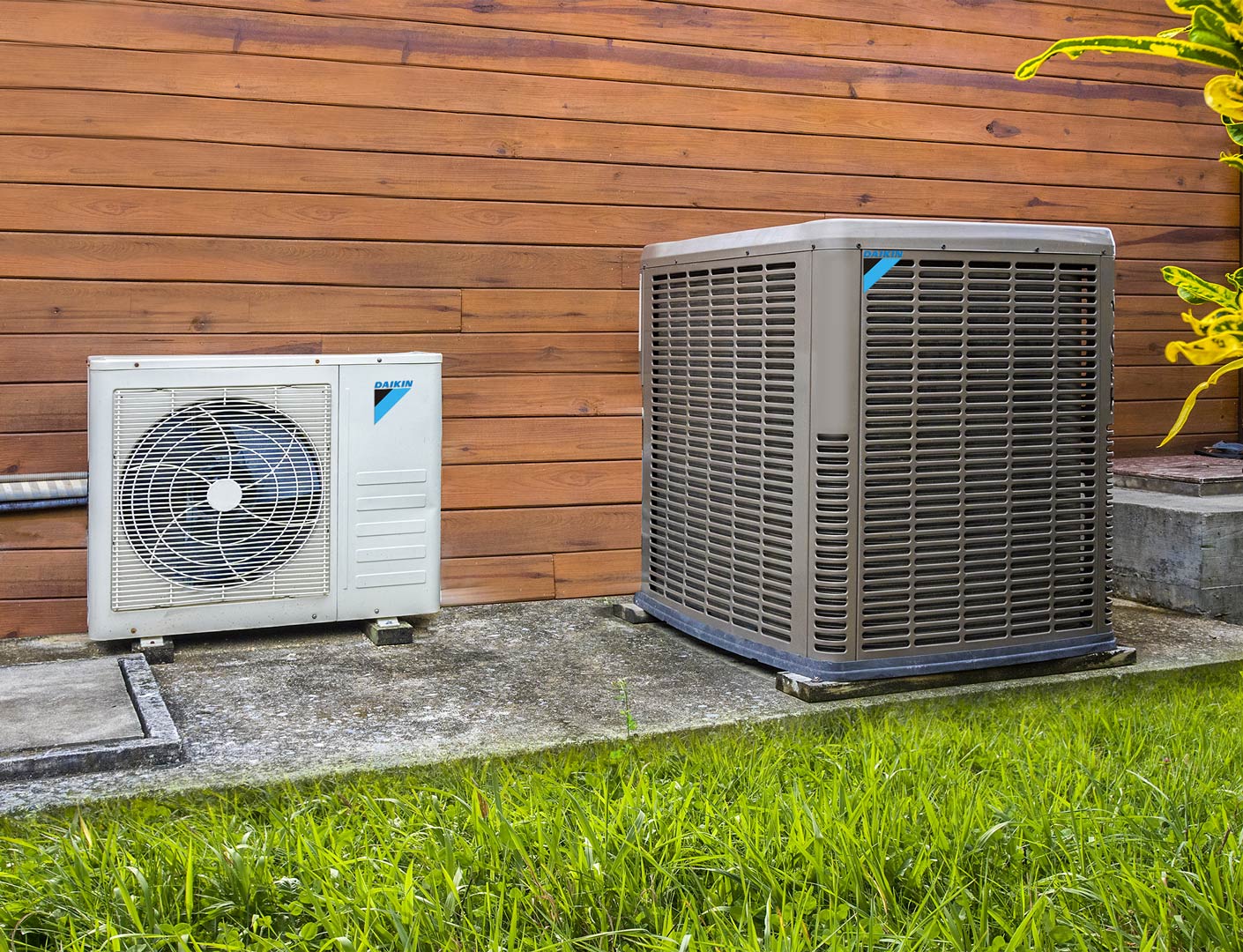
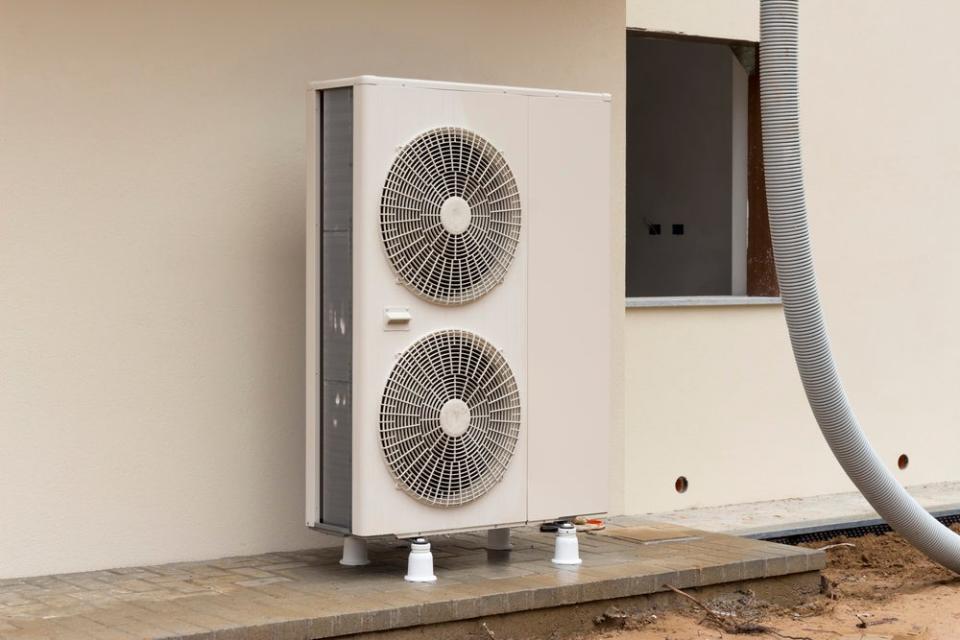
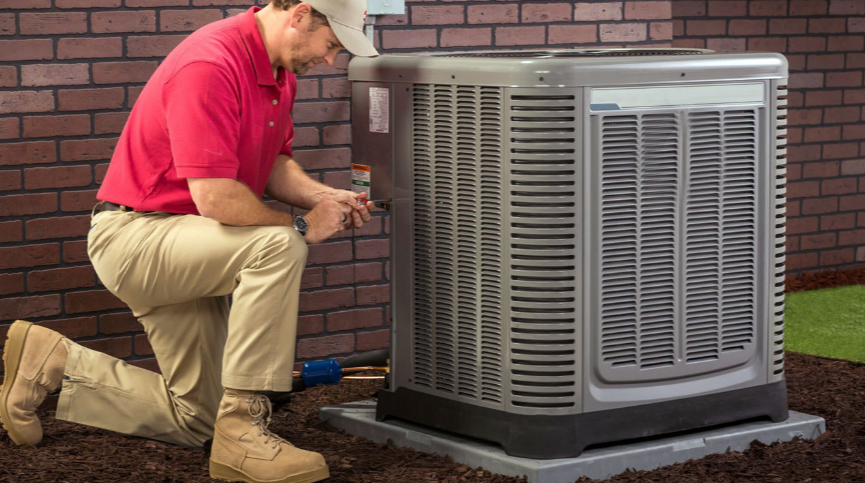
Once the necessary preparations are in place, the next step involves positioning the outdoor unit on a stable and level surface, often elevated to avoid water accumulation. After establishing the connections for the refrigerant lines, the indoor unit can be mounted discreetly within the living space. The entire system should then be connected to the power supply, followed by the testing of controls to ensure that everything is functioning as intended. Adjustments may be needed to optimise efficiency and comfort based on the specific layout of the home.
This new blog post covers this topic in more detail.
Step-by-Step Guide to Fitting a Heat Pump
Selecting the right location for the heat pump is crucial. Ensure that the outdoor unit has ample airflow and is not obstructed by shrubs or fences. It should also be placed on a level surface to allow for proper drainage and minimise noise. Next, drill a hole in the wall connecting the indoor unit with the outdoor unit. This will enable the refrigerant lines, electrical wiring, and condensate drain to pass through seamlessly.
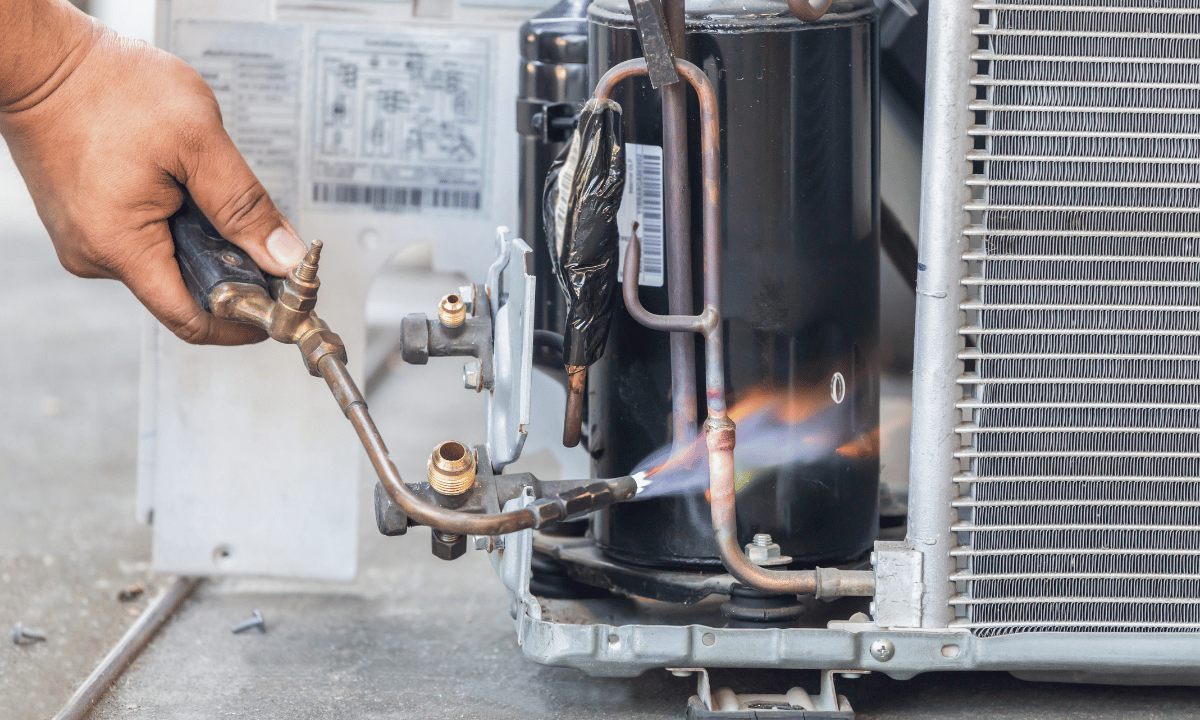
Once the units are positioned correctly, connect the refrigerant lines and electrical wiring as per the manufacturer's specifications. Insulation is vital to prevent energy loss and maintain efficiency. After the connections are made, secure the indoor unit to the wall and ensure all components are fastened tightly. Finally, charge the system with refrigerant, conduct a thorough check for leaks, and power up the units to verify their operation.
Maintenance Tips for Heat Pumps
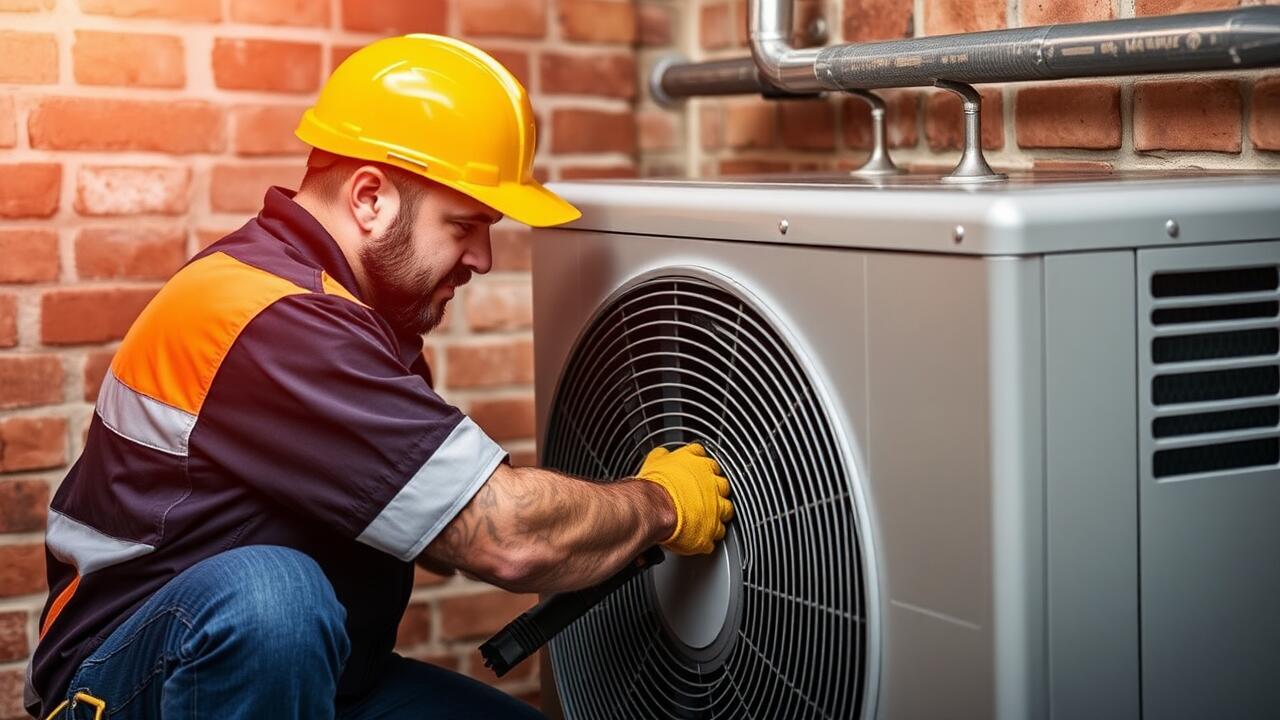
Regular maintenance is crucial for the efficient operation of heat pumps. Cleaning or replacing filters at least every few months can significantly enhance airflow. This simple task prevents dust and debris from clogging the system, which can lead to decreased performance. Additionally, keeping the outdoor unit free from obstructions such as leaves and snow ensures that the heat pump can function optimally.
Scheduling professional inspections annually allows for a thorough examination of the entire system. Technicians can check for refrigerant leaks, test electrical components, and ensure all parts are functioning correctly. Being proactive with these inspections can often catch potential issues before they become costly repairs. Regular maintenance not only extends the lifespan of the heat pump but also maintains its energy efficiency, which can translate to lower utility bills over time.
Ensuring Longevity and Efficiency
Regular maintenance is crucial for the efficient operation of heat pumps. Scheduled checks help identify any wear and tear before they escalate into significant issues. Cleaning or replacing filters is a straightforward task that can greatly enhance air quality and efficiency. Ensuring that the outdoor unit remains debris-free optimises airflow, allowing the system to work effectively. During servicing, technicians can assess refrigerant levels and check for any leaks, helping to maintain the unit's performance.
In addition to routine maintenance, homeowners should pay attention to their energy use. Monitoring energy bills can provide insights into the heat pump's efficiency over time. If there’s a notable increase in costs without changes in usage, it may indicate an underlying problem. Installing a programmable thermostat can also aid in maintaining optimal temperatures without unnecessary energy expenditure. By taking proactive steps, homeowners can ensure their heat pumps operate efficiently for many years.
Common Issues with Heat Pumps
Heat pumps, while efficient and effective, can encounter several common issues that may affect their performance. One frequent problem is a reduction in heating or cooling capacity, often attributed to dirty filters or insufficient airflow. This degradation in efficiency can lead to higher energy bills and an uncomfortable living environment. Regularly checking and replacing filters, as well as ensuring that vents are unobstructed, can mitigate these issues.
Another issue that homeowners may face is unusual noises coming from the unit. Sounds such as grinding, rattling, or hissing can indicate mechanical problems or that debris has entered the system. These noises should not be ignored, as they may signal a need for repairs or servicing. Addressing these concerns promptly can help prevent further damage and ensure the heat pump operates efficiently throughout its lifespan.
Troubleshooting Problems You Might Encounter
Heat pumps can sometimes exhibit a range of issues that may hinder their performance. One common problem is a significant drop in heating or cooling efficiency. This can result from a dirty air filter, blocked ducts, or low refrigerant levels. Regularly inspecting and cleaning these components can help maintain optimal airflow and ensure the system operates effectively. Additionally, listening for unusual noises during operation can be an early indicator of mechanical problems. These sounds may suggest that parts are wearing out or require lubrication.
Another frequent issue is the failure of the heat pump to switch between heating and cooling modes appropriately. This malfunction could be linked to the thermostat settings or a fault in the reversing valve. Checking the thermostat calibration and confirming that it is set correctly can often resolve the issue. If the problem persists, it may be necessary to consult a professional to examine the reversing valve and other electrical connections for any faults. Attention to these details can prevent larger, more costly repairs in the future.
FAQS
What is a heat pump and how does it work?
A heat pump is a device that transfers heat from one place to another, using a refrigerant. It extracts heat from the outside air, ground, or water and transfers it indoors for heating. In summer, it can also reverse the process to provide cooling.
What is the installation process for a heat pump?
The installation process involves assessing the home’s heating needs, selecting the appropriate heat pump unit, preparing the installation site, and then fitting the system, which includes connecting the indoor and outdoor units, electrical work, and ensuring proper insulation.
How can I maintain my heat pump for optimal performance?
Regular maintenance for a heat pump includes cleaning or replacing filters, checking the refrigerant levels, inspecting electrical connections, and scheduling annual professional servicing to ensure efficiency and longevity.
What are some common issues that can arise with heat pumps?
Common issues include inadequate heating or cooling, strange noises, frozen coils, and frequent cycling on and off. These problems can often be diagnosed through troubleshooting or may require professional assistance.
How long can I expect a heat pump to last?
With proper maintenance, a heat pump can last between 15 to 20 years. Regular servicing and addressing any issues promptly can help extend its lifespan.