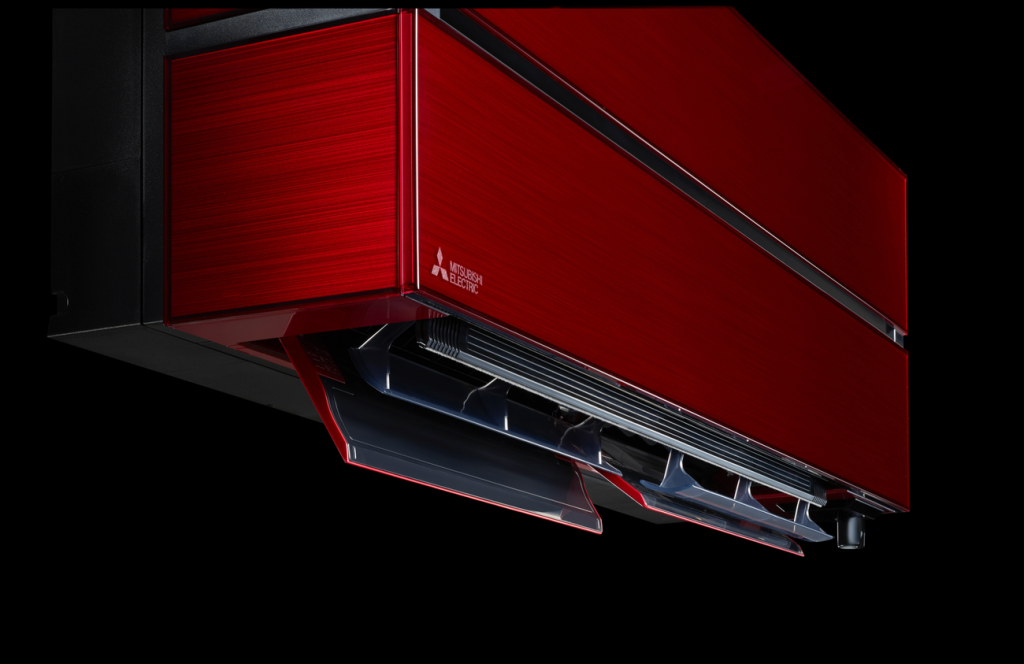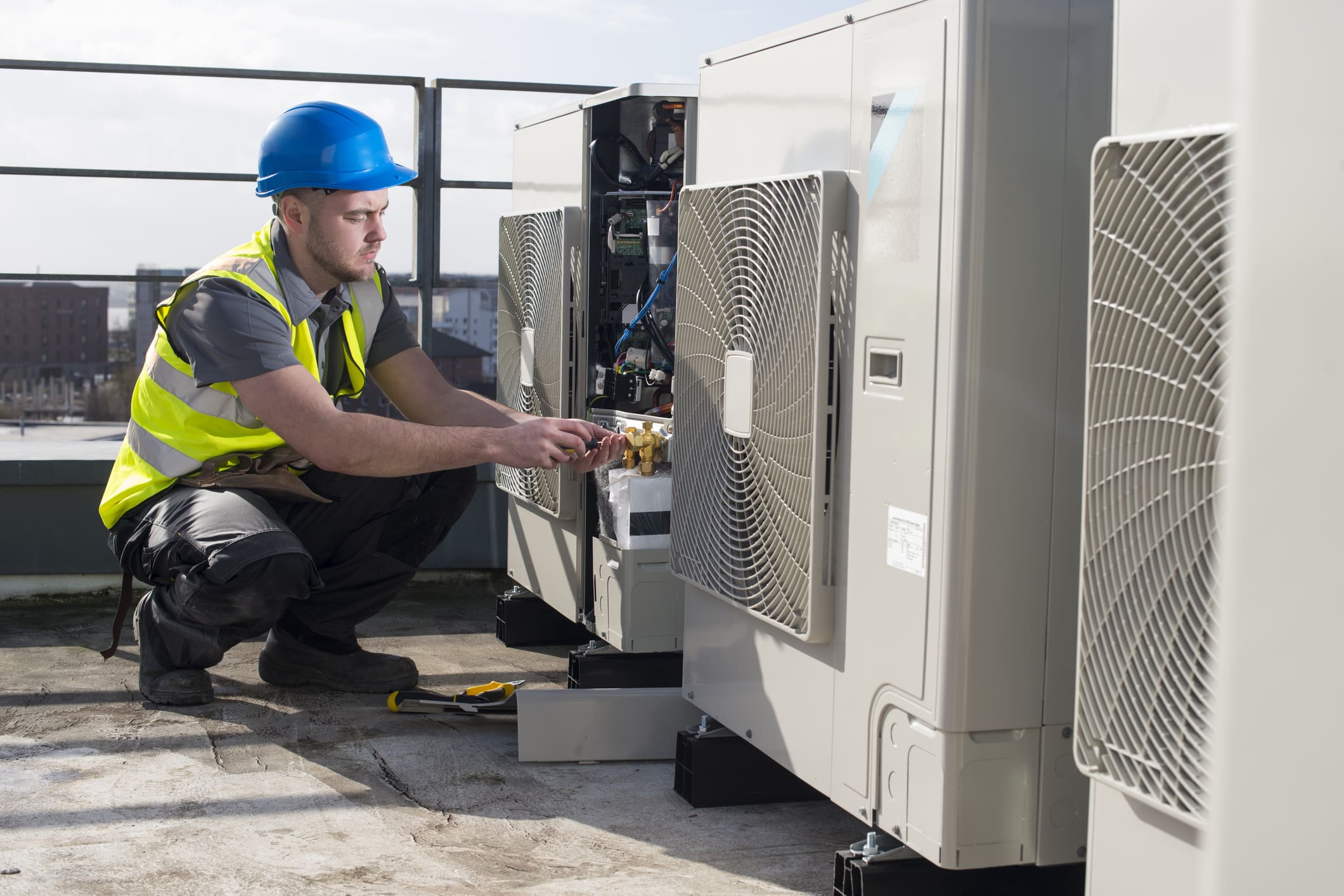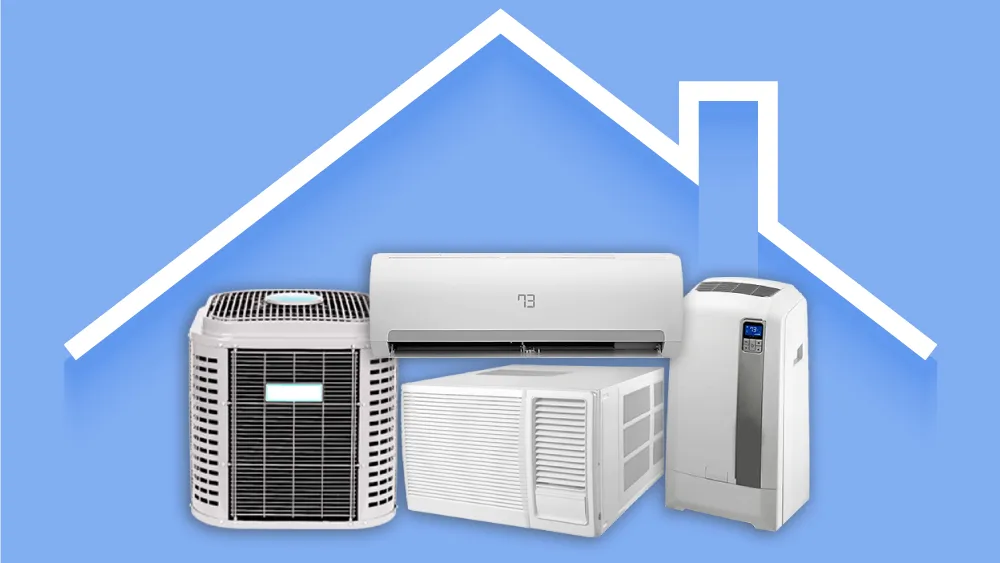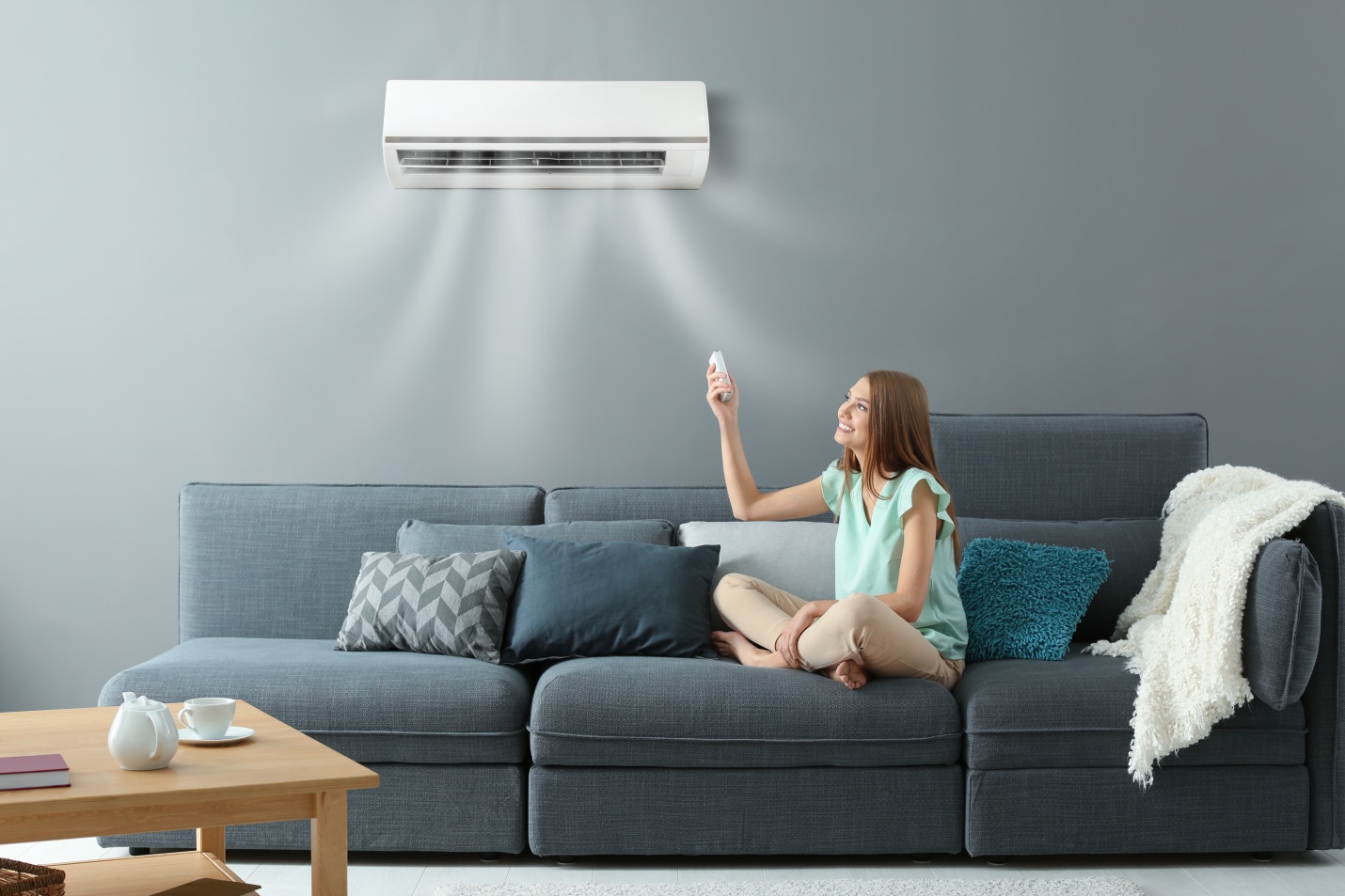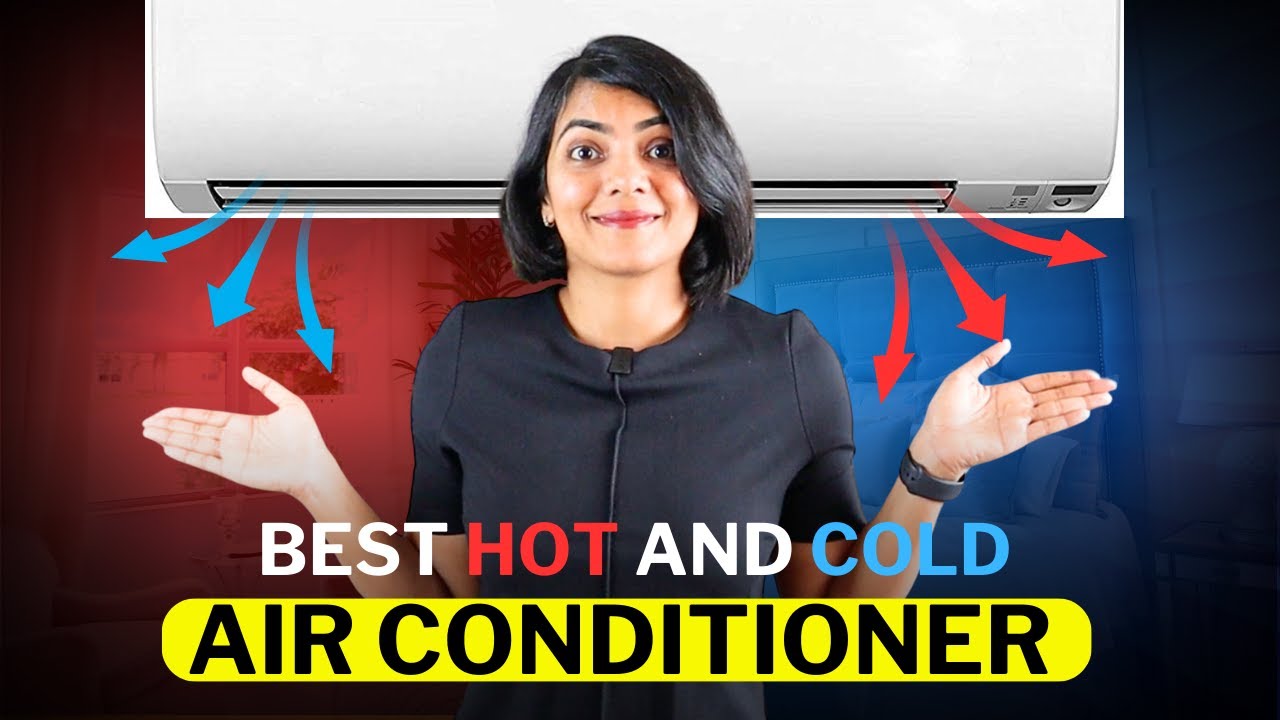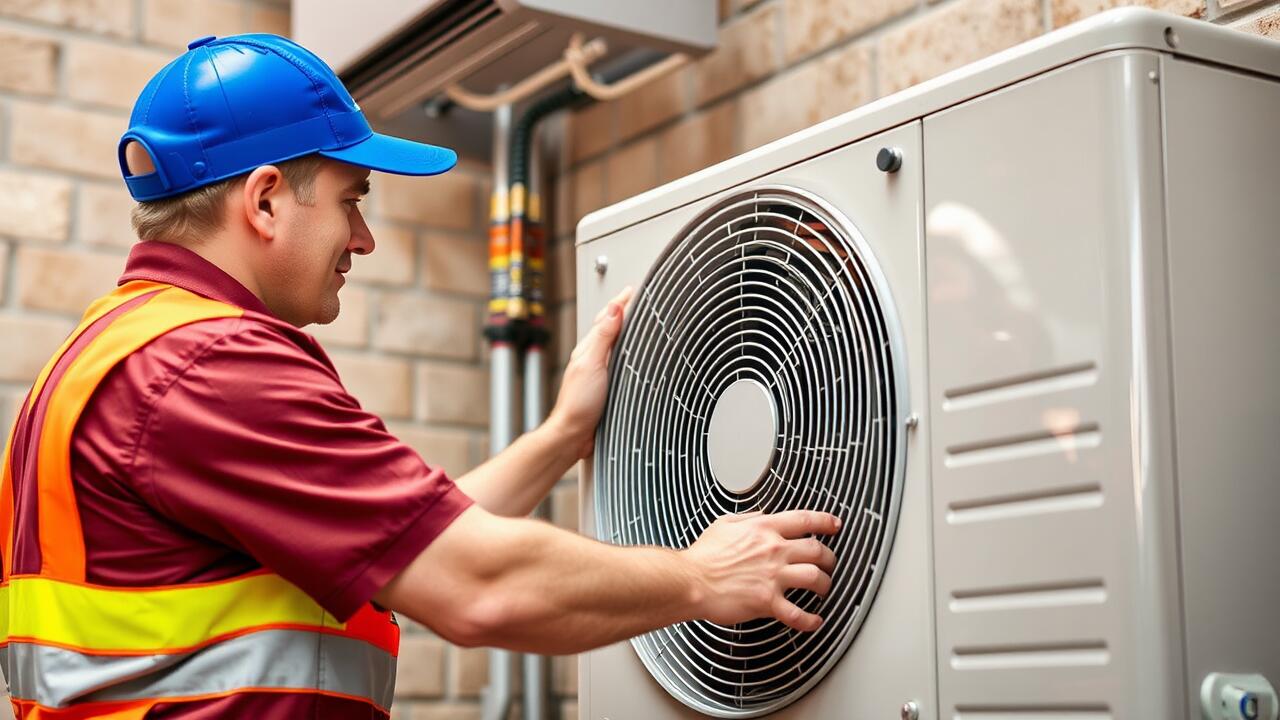
At Air Conditioning Installation, we specialise in the professional installation of air conditioning units tailored to meet the diverse needs of our clients. Our expert team is committed to ensuring that your indoor environment remains comfortable year-round, utilising state-of-the-art technology and equipment for optimal efficiency. We assess your space meticulously to recommend the ideal air conditioning unit that suits your requirements and budget. With a focus on quality and customer satisfaction, our installation services are designed to provide not only a seamless setup but also long-term reliability and performance. Trust us to create a refreshing oasis in your home or business with our exceptional air conditioning solutions.
Regular Maintenance for Air Conditioning Units
Maintaining air conditioning units is vital for ensuring optimal performance and longevity. Regular maintenance can significantly improve energy efficiency, reducing electricity bills while providing consistent cooling during the hot months. A well-maintained unit also decreases the likelihood of unexpected breakdowns, which can lead to costly repairs and uncomfortable living conditions.
Routine tasks include changing or cleaning filters every few months. Dirty filters can restrict airflow, making the system work harder and leading to increased wear and tear. Additionally, inspecting the outdoor condenser unit for debris and ensuring adequate ventilation can help maintain efficiency. Checking refrigerant levels and cleaning the evaporator coils also play an essential role in keeping the system running smoothly.
Click here for additional info.
Essential Maintenance Tasks
Routine upkeep of air conditioning units significantly enhances their efficiency and lifespan. Regularly replacing or cleaning the air filters is crucial, as clogged filters can restrict airflow and reduce the system’s cooling capacity. Technicians should inspect and clean the evaporator and condenser coils to remove dust and debris, allowing for optimal heat exchange. Additionally, checking the refrigerant levels and addressing any leaks helps maintain system performance and prevents further damage.
Another essential task involves assessing the unit’s drainage system. Condensate drains can become clogged, leading to water damage and increased humidity indoors. Ensuring that the thermostat operates correctly is also important, as accurate temperature settings contribute to comfort and energy efficiency. Finally, routine inspections by a professional can identify potential issues early, allowing for timely repairs that can prevent costly breakdowns.
Common Issues with Air Conditioning Units
One frequent issue homeowners face is inadequate cooling. When an air conditioning unit fails to cool a space effectively, it can lead to uncomfortable conditions, especially during hot weather. Problems may stem from a dirty air filter, low refrigerant levels, or a malfunctioning compressor. Regular checks and timely replacements of filters can help maintain optimal airflow and efficiency.
Another common problem involves unusual noises and smells emanating from the unit. Rattling, hissing, or grinding sounds might indicate loose components or mechanical failure. Similarly, unusual odours could signal a problem with mould inside the system or burnt wiring. Addressing these signs quickly can prevent more extensive damage and costly repairs in the future.
Troubleshooting Common Problems
Air conditioning units can encounter various issues that affect their performance. One common problem is insufficient cooling, which might be caused by dirty air filters or blocked vents. Regularly checking and changing filters can help improve airflow and efficiency. Additionally, ensure that the thermostat is set correctly, as an incorrect setting may lead to the impression that the unit is not functioning properly. If cooling issues persist, it may indicate a refrigerant leak, which requires professional attention.
Another frequent concern is unusual noises coming from the unit. Sounds such as grinding, squealing, or rattling often signal mechanical problems, like loose components or worn bearings. Inspecting the exterior for visible signs of wear may lead to quicker diagnosis. If the noises continue after simple checks, consulting a qualified technician is advisable. Ignoring these issues can lead to further damage, resulting in more costly repairs down the line.
Upgrading Your Air Conditioning System
An air conditioning system can significantly impact the comfort of your home or office. As technology advances, newer models offer improved energy efficiency, quieter operation, and enhanced features that can cater to your specific cooling needs. Evaluating your current system’s performance is essential. If it struggles to maintain a consistent temperature or requires frequent repairs, considering an upgrade may be worthwhile.
Additionally, energy costs could indicate that a new system would be more cost-effective in the long run. Older units typically use more energy, leading to higher electricity bills, while modern systems are designed to comply with strict energy efficiency standards. Investing in a new air conditioning unit not only provides better performance but can also lead to substantial savings over time, making it a decision worth contemplating.
Signs That It's Time for an Upgrade
Investing in a new air conditioning unit can often seem daunting, but certain signs can indicate it's time for an upgrade. One significant factor is age; if your unit is over 10 years old, it may be less energy-efficient than newer models. Rising energy bills can be a strong indicator that your existing system struggles to maintain optimal performance, leading to increased usage and costs.
Frequent repairs can also hint that your air conditioning unit is reaching the end of its lifespan. If you find yourself calling a technician regularly, it may be more cost-effective to replace the unit rather than continually invest in repairs. Additionally, inconsistent cooling throughout your home can indicate inefficiencies that newer systems effectively address. If comfort becomes elusive, considering an upgrade becomes more than just a choice; it becomes a necessity for maintaining a pleasant living environment.
FAQS
How often should I perform maintenance on my air conditioning unit?
It is recommended to perform maintenance on your air conditioning unit at least once a year, preferably before the cooling season begins. This ensures optimal performance and longevity.
What are some essential maintenance tasks for air conditioning units?
Essential maintenance tasks include cleaning or replacing filters, checking refrigerant levels, inspecting and cleaning the condensate drain, and ensuring that the external unit is free of debris.
What are common issues with air conditioning units?
Common issues include insufficient cooling, strange noises, water leaks, and the unit not turning on. These problems can often be attributed to neglected maintenance, faulty components, or refrigerant issues.
How can I troubleshoot common problems with my air conditioning unit?
To troubleshoot, start by checking the thermostat settings, ensuring that power is supplied to the unit, inspecting filters for dirt, and checking for any visible leaks or blockages. If problems persist, it may be best to consult a professional.
What signs indicate that it's time to upgrade my air conditioning system?
Signs that it may be time to upgrade include frequent breakdowns, rising energy bills, inconsistent cooling, and the unit being over 10-15 years old. Upgrading can improve efficiency and comfort in your home.