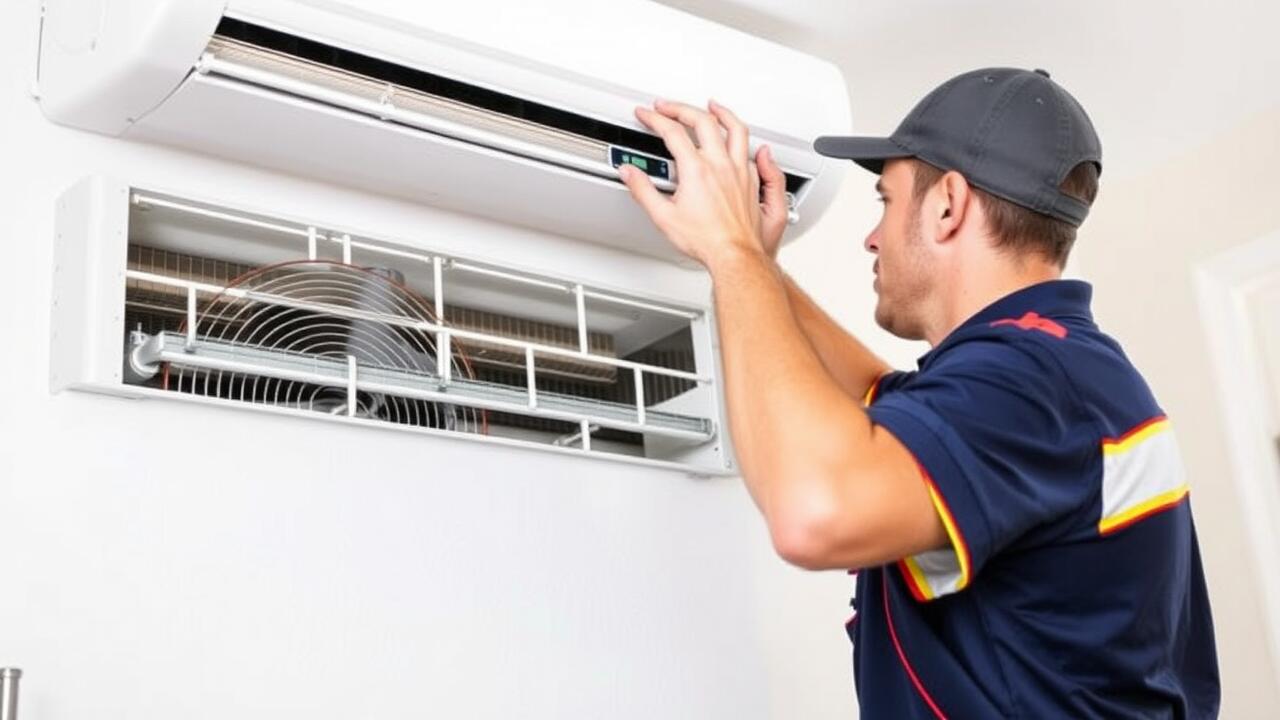
Air Conditioning Installation provides expert services in the seamless installation of air conditioning systems for both residential and commercial properties. Our skilled technicians ensure that each installation is tailored to meet the specific needs of our clients, utilising high-quality equipment to guarantee optimal performance and energy efficiency. We pride ourselves on our meticulous attention to detail, ensuring that every unit is installed safely and in compliance with all relevant regulations. Whether you are upgrading your existing system or installing a new one, our team is dedicated to providing a reliable, efficient, and cost-effective solution that enhances comfort in your environment. With our commitment to customer satisfaction, you can trust Air Conditioning Installation to deliver exceptional service from start to finish.
Common Mistakes During DIY Installations
Many individuals underestimate the complexity of air conditioning system installation. A frequent oversight is misreading the manufacturer’s guidelines, which can lead to incorrect positioning or wiring. Failure to follow these specifications not only risks the functionality of the unit but can also void warranties. Using inappropriate tools or materials often exacerbates these problems, resulting in inefficient performance and potential damage.
Another common error involves neglecting to consider the size of the unit in relation to the space it will service. Choosing an undersized system may lead to inadequate cooling, while an oversized unit can cycle on and off too frequently, causing wear and tear. Additionally, improper sealing of ducts can result in significant energy loss, further undermining efficiency. Taking shortcuts during the installation process can lead to a host of issues, making professional expertise highly advisable.
Discover more here.
Risks Involved with Self-Installation
Undertaking a DIY air conditioning installation may save on upfront costs, but it can lead to significant risks if not executed properly. Incorrectly installing an air conditioning unit can result in serious electrical hazards. Improperly connected wires may cause short circuits or even fires. Additionally, mistakes during the installation process can impair the system’s efficiency. This can lead to increased energy bills as the unit works harder than necessary to cool the space.
Another concern involves the potential for damage to the unit itself. Many homeowners lack the specialised tools and expertise necessary for a successful installation. Inexperienced hands may unintentionally misalign components, causing refrigerant leaks or compressor issues. These missteps not only lead to costly repairs but can also void the manufacturer’s warranty. Therefore, relying on professionals ensures not just safety but also adherence to local regulations and standards.
Maintaining Your Air Conditioning System
Regular maintenance is vital for the efficient functioning of an air conditioning system. Cleaning or replacing filters at least once a month can significantly improve indoor air quality and ensure optimal airflow. Dust and debris accumulation can hinder performance, leading to increased energy consumption and potential system failures. Additionally, checking and cleaning the outdoor unit is essential to prevent overheating and enable the unit to operate effectively.
Scheduling professional inspections at least once a year can help identify potential issues before they escalate. Technicians can assess refrigerant levels, check electrical connections, and clean essential components. This proactive approach not only extends the lifespan of the unit but also maintains its efficiency, helping homeowners avoid costly repairs and energy bills. Proper maintenance practices make a considerable difference in performance and reliability.
Essential Maintenance Tips for Longevity
Regular cleaning of your air conditioning unit is crucial for optimal performance. Dust and debris can accumulate on filters and coils, which may lead to reduced efficiency and increased energy consumption. Clean or replace filters every one to three months, depending on usage and the type of filter you have. Ensuring vents and registers are unobstructed will enhance airflow and improve overall system performance.
Scheduling professional maintenance at least once a year can help identify potential problems before they become costly repairs. A technician can check refrigerant levels, inspect electrical components, and ensure that all parts are working correctly. This proactive approach not only extends the lifespan of your air conditioning system but also maintains its energy efficiency, ensuring you stay comfortable without excessive energy bills.
Energy Efficiency and Air Conditioning
Choosing an energy-efficient air conditioning model can significantly reduce your utility bills while also minimising your carbon footprint. Modern units often come with higher Seasonal Energy Efficiency Ratios (SEER), which indicate how efficiently the system cools your home compared to the energy consumed. Investing in a model that meets or exceeds current efficiency standards can lead to substantial long-term savings, making it a wise choice for both the environment and your finances.
When searching for an energy-efficient air conditioning system, consider features such as variable speed compressors and inverter technology. These innovations allow the unit to adjust its cooling output based on the ambient temperature, providing greater efficiency and comfort. Additionally, check for the ENERGY STAR label, which signifies that the model meets strict energy efficiency guidelines set by government agencies. Selecting the right model not only enhances indoor comfort but also optimises energy consumption in your home.
How to Choose an Energy-Efficient Model
When selecting an energy-efficient model, it is vital to look for units that come with a high Seasonal Energy Efficiency Ratio (SEER) rating. A higher SEER rating indicates better efficiency, which can save on energy bills over time. Research various options and compare their specifications to find models that best suit your cooling needs while also offering superior efficiency. Opt for air conditioning systems that incorporate advanced technologies, as these can further enhance performance and decrease energy consumption.
Additionally, check for certifications such as the ENERGY STAR label. This certification signifies that the air conditioning unit meets strict energy efficiency guidelines set by regulatory bodies. Consider not only the upfront cost but also the long-term savings on energy bills and potential rebates. Installation and maintenance costs may also vary, so ensure you factor those into your decision for an energy-efficient air conditioning model.
FAQS
What are some common mistakes made during DIY air conditioning installations?
Some common mistakes include improper sizing of the unit, incorrect installation of ductwork, failing to seal connections properly, neglecting to follow local building codes, and overlooking necessary electrical requirements.
What risks are involved with self-installation of air conditioning units?
Risks include potential safety hazards such as electric shock, improper refrigerant handling, voiding the manufacturer's warranty, and decreased efficiency due to installation errors, which can lead to higher energy bills and system breakdowns.
How can I maintain my air conditioning system effectively?
Regular maintenance involves changing or cleaning filters every 1–3 months, scheduling annual professional inspections, keeping the outdoor unit clear of debris, and ensuring that the thermostat is functioning correctly.
What are essential maintenance tips for prolonging the life of my air conditioning unit?
Essential tips include regularly checking and replacing air filters, cleaning the condenser coils, ensuring proper airflow around the unit, checking for refrigerant leaks, and scheduling professional maintenance at least once a year.
How do I choose an energy-efficient air conditioning model?
Look for units with a high Energy Efficiency Ratio (EER) or Seasonal Energy Efficiency Ratio (SEER) rating, check for ENERGY STAR certification, consider the size of the unit based on your space, and evaluate additional features such as programmable thermostats for better energy management.