Table Of Contents
Properties with Limited Roof Space
Houses with limited roof space often face significant challenges when it comes to installing heat pumps. These systems usually require adequate room for solar panels if they are to operate efficiently in conjunction with this renewable energy source. Insufficient roof area limits the potential for harnessing solar energy, which can enhance the overall performance of the heat pump system. This makes it an unsuitable option for many homeowners in Acocks Green, Birmingham, who might otherwise benefit from the environmental and financial advantages offered by heat pumps.
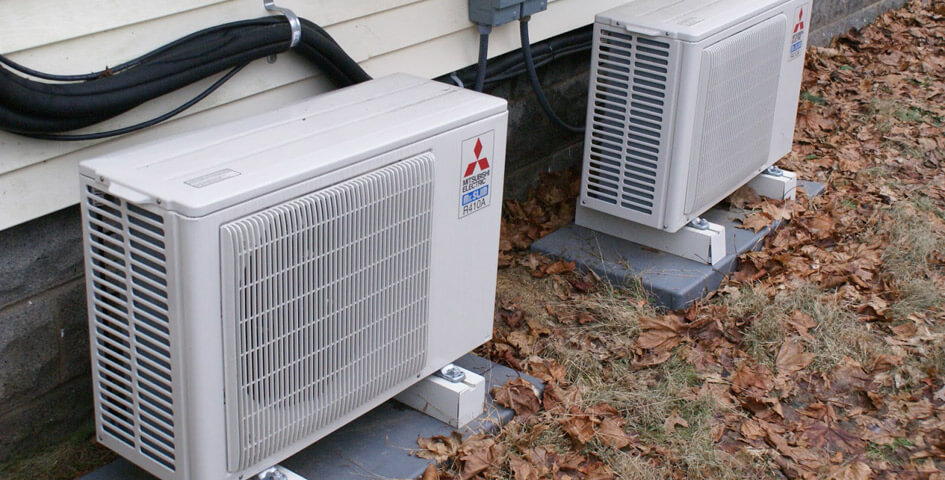
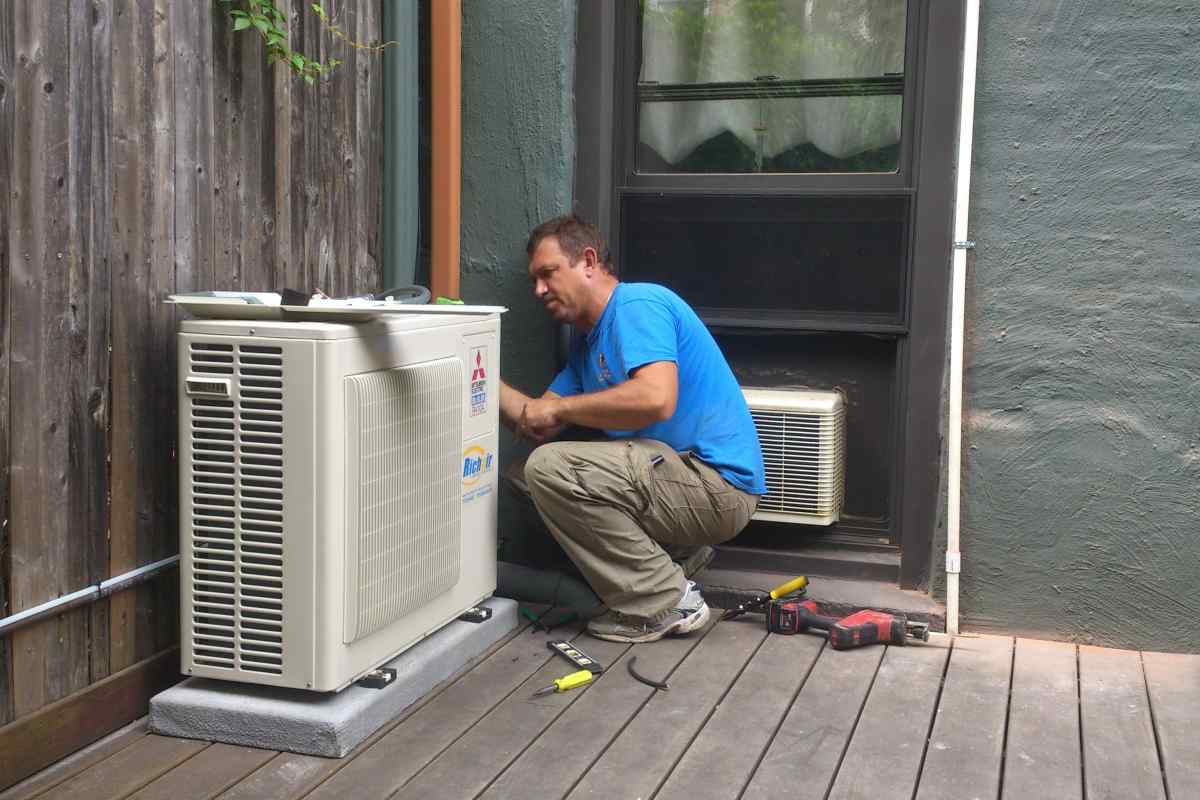
In addition to reduced solar integration, limited roof space can also hinder the overall installation process. Many heat pump models rely on large outdoor units, which need sufficient clearance to operate effectively. When a property lacks this space, the installation may be complicated, and the system may not function optimally. Homeowners need to carefully assess their property before committing to the installation of a heat pump in order to determine its feasibility and effectiveness in offering long-term comfort and efficiency.
This is an essential article for anyone looking to learn more about the topic.
Solar Integration Challenges
The integration of solar energy with heat pump systems presents significant challenges for certain properties. Limited roof space often hampers the installation of sufficient solar panels, which are essential for maximising the efficiency of a heat pump. In bustling areas such as Brookvale Village, Birmingham, where homes may have shared spaces or restrictions on structural alterations, homeowners may find it difficult to harness the full potential of solar power.
Additionally, the orientation of a property plays a critical role in solar integration. Homes that face north or are shaded by surrounding buildings or trees struggle to capture adequate sunlight throughout the day. This limitation reduces the effectiveness of solar panels, subsequently affecting the overall performance of a heat pump. In regions like Brookvale Village, Birmingham, where competing structures can influence sunlight access, these challenges become even more pronounced, compromising the feasibility of installing a harmonious renewable energy system.
Dwellings with Non-Optimal Orientation
The orientation of a dwelling plays a significant role in the efficiency of a heat pump system. Homes that face predominantly north often receive less direct sunlight throughout the day. This reduced sun exposure can hinder the heat pump's ability to gather and retain warmth, rendering it less effective during colder months. For residents in areas like Erdington, Birmingham, failing to consider orientation could lead to disappointing performance from a newly installed heat pump.
Furthermore, the surrounding landscape can also impact heat pump efficiency. Buildings that are shaded by tall trees or neighbouring structures may not benefit from the maximum potential of solar gain. This can further exacerbate the limitations of a poorly oriented heat pump. Therefore, potential buyers in Erdington should assess their property’s layout and location before investing in a heat pump. This careful evaluation ensures that they will achieve the best possible heating outcomes from their system.
Importance of Sun Exposure
Sun exposure plays a crucial role in the efficiency and effectiveness of heat pumps. Properties that receive limited sunlight may struggle to maintain the optimal temperature required for these systems to operate efficiently. This lack of exposure can lead to higher energy consumption and decreased performance, especially in regions where winter heating is essential. Heat Pump Erdington, Birmingham, may face challenges if placed in areas with heavy shading from nearby trees or buildings.
The orientation of a building significantly influences its sun exposure throughout the day. Homes facing north will naturally receive less direct sunlight compared to those oriented toward the south or west. This discrepancy can impact the heat pump’s ability to harness solar energy effectively, making some homes less suitable for this type of heating solution. Prospective users in areas like Erdington, Birmingham, should carefully consider their property's orientation to optimise performance and ensure consistent heating throughout the colder months.
Homes with Inadequate Electrical Supply
An essential consideration for any homeowner looking to install a heat pump is the adequacy of their electrical supply. Heat pumps require a significant amount of power to operate effectively, and insufficient electrical capacity can lead to performance issues. Many older homes may have electrical systems that cannot accommodate the demands of modern heating technologies. Upgrading the electrical infrastructure can be both costly and disruptive, making it a key factor in determining whether a heat pump is feasible.
In areas such as Acocks Green, Birmingham, where properties may vary widely in their electrical setups, understanding the power requirements is crucial. Homeowners need to consult with certified electricians to assess their current supply and make necessary improvements. Without ensuring an adequate electrical supply, the installation of systems like a heat pump may result in compromised efficiency or even failure to operate, undermining the intended benefits of this energy-efficient heating solution.
Power Requirements for Heat Pumps
Heat pumps require a substantial amount of electrical energy to operate efficiently. Many older homes may lack the adequate electrical supply needed for these systems. Insufficient power can lead to operational issues and reduced efficiency, resulting in higher energy bills. Homeowners considering a heat pump installation must assess their current electrical systems and, if necessary, upgrade their supply to meet the demands of the heat pump.
In areas like Erdington, Birmingham, the integration of a heat pump could be particularly problematic if the house's electrical infrastructure isn't up to modern standards. Many older properties may be equipped with outdated wiring or inadequate circuit breakers that cannot support the load of a heat pump. Evaluating the power requirements is essential to ensure that the heat pump operates effectively, providing the anticipated heating benefits without causing electrical disturbances.
FAQS
What types of properties are generally not suitable for heat pumps?
Properties with limited roof space, dwellings that have a non-optimal orientation, and homes with inadequate electrical supply are generally not suitable for heat pumps.
Why are properties with limited roof space unsuitable for heat pumps?
Limited roof space can hinder the installation of solar panels, which are often necessary for providing the energy needed to operate heat pumps efficiently.
How does the orientation of a house affect its suitability for heat pumps?
Homes that do not receive adequate sun exposure due to their orientation may not be effective for heat pumps, as they rely on sunlight for solar integration and efficiency.
What is the importance of electrical supply when considering heat pumps?
Heat pumps require a certain amount of electrical power to function effectively; homes with inadequate electrical supply may struggle to meet these power requirements, making them unsuitable.
Can any modifications make a house suitable for heat pumps?
In some cases, modifications such as improving roof space, optimising orientation, or upgrading the electrical supply can make a house more suitable for heat pumps, but it often requires significant investment.