Table Of Contents
Environmental Impact and Costs
The environmental impact of heat pumps is a significant consideration as more households seek sustainable energy solutions. Unlike traditional heating systems that rely on fossil fuels, heat pumps use electricity to transfer heat, making them a cleaner option. Harnessing renewable energy sources for this electricity can further reduce carbon footprints. In urban areas like Banners Gate, Birmingham, the adoption of heat pumps can play a crucial role in enhancing air quality and reducing greenhouse gas emissions.
While the initial costs of installing a heat pump may appear high, they often lead to significant long-term savings. The efficiency of heat pumps can result in lower energy bills, providing financial benefits over time. Additionally, government incentives and grants may be available to offset installation expenses. As the demand for eco-friendly solutions increases, the shift towards heat pumps in regions such as Banners Gate, Birmingham reflects a growing awareness of their potential economic and environmental advantages.
Check out this site for more information.
Long-term Savings Through Eco-friendly Choices
Investing in a heat pump can significantly reduce energy expenses over time. Unlike traditional heating systems, heat pumps are highly efficient, transferring heat rather than generating it through combustion. This process not only lowers energy consumption but also contributes to a decrease in greenhouse gas emissions, making them an eco-friendly option for heating and cooling. Homeowners in areas like Heat Pump Banners Gate, Birmingham can expect to see their energy bills drop as they switch to this sustainable technology.
In addition to immediate cost savings, heat pumps often come with government incentives aimed at promoting eco-friendly energy solutions. These incentives can offset the initial investment and make the switch more financially viable. As energy prices continue to rise, the long-term financial benefits of heat pumps become even more pronounced, offering a reliable and efficient heating solution that aligns with environmental goals. Such advantages are especially relevant in urban settings like Birmingham, where sustainability is increasingly prioritised.
Factors Affecting Heat Pump Expenses
Several variables influence the overall expenses associated with running a heat pump. The initial installation costs can vary significantly based on the type of heat pump chosen, whether it’s an air-source, ground-source, or hybrid model. Additionally, the complexity of the installation site can affect labour costs. Homeowners in areas like Bournbrook, Birmingham may experience different pricing structures based on the availability of local contractors and the specific requirements of their property.
Operational costs also depend on factors such as the heat pump's efficiency ratings and the quality of the home's insulation. A well-insulated home allows the heat pump to work more effectively, potentially leading to lower energy bills. Furthermore, energy tariffs can fluctuate seasonally, impacting the cost of running the system. Understanding these variables helps homeowners make informed decisions about the financial implications of investing in a heat pump.
Home Size and Insulation Quality
The size of your home plays a crucial role in determining the efficiency and overall cost-effectiveness of a heat pump. Larger homes often require more powerful heat pumps to adequately heat or cool the space. This need for higher capacity can lead to increased installation and operational costs. Properly sizing the system is essential; an oversized heat pump can lead to increased energy consumption and potentially higher bills, while an undersized unit may struggle to maintain a comfortable temperature.
Insulation quality is equally significant in this equation. Homes with poor insulation lose heat rapidly, meaning the heat pump must work harder to maintain the desired indoor temperature. Adequate insulation can reduce the demand on the heating system, leading to lower energy costs in the long run. For residents in areas like Heat Pump Banners Gate, Birmingham, it is advisable to assess insulation levels and make necessary upgrades to optimise the efficiency of their heat pump systems.
Seasonal Variations in Costs
Seasonal variations significantly influence the overall expenses associated with heat pumps. During the colder months, the demand for heating tends to increase, resulting in higher energy consumption. This escalation in use can lead to increased utility bills, particularly if the heat pump is the primary source of heating for a home. Homeowners in areas like Heat Pump Camp Hill Locks, Birmingham, may need to adjust their budgeting to account for these seasonal changes, while also considering the efficiency of their specific system.
Conversely, summer months can bring a reduction in energy costs as heat pumps transition to cooling mode. While the demand for cooling can also add to expenses, many systems are designed to operate efficiently, potentially offsetting costs. The efficiency rating of the heat pump plays a crucial role in determining energy usage across seasons. For residents in Camp Hill Locks, being mindful of the heat pump's performance and maintenance during both heating and cooling periods can help manage expenses effectively.
Understanding Heating vs. Cooling Seasons
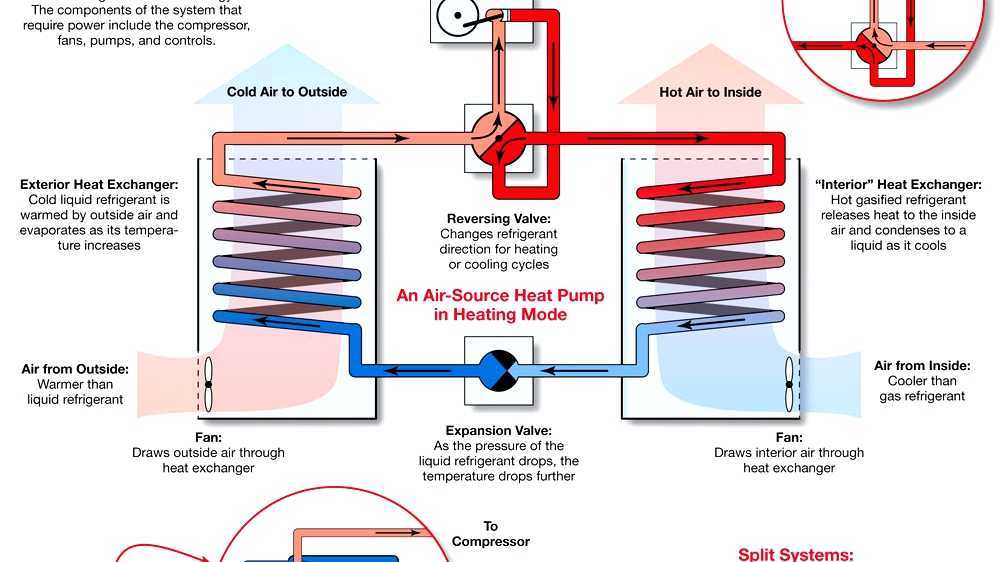
Heating and cooling seasons significantly influence the operational costs of a heat pump. During winter, a heat pump's primary function is to extract heat from the outside air and transfer it indoors. This process remains efficient even in colder temperatures, yet its energy consumption can increase when temperatures drop drastically. Homeowners in areas like Heat Pump Banners Gate, Birmingham, may notice higher electricity bills during these months due to continuous heating demands.
In contrast, summer months shift the focus to cooling, where the heat pump reverses its operation to expel warm air from the home. The increased energy required for cooling can also lead to higher costs, particularly during heatwaves when the demand for cooling rises significantly. Understanding these seasonal variations is crucial for predicting expenses and properly budgeting for the year, especially in regions with pronounced temperature fluctuations.
FAQS
What are the main costs associated with running a heat pump?
The primary costs of running a heat pump include electricity consumption for heating and cooling, maintenance expenses, and potential repair costs. These can vary based on usage, efficiency ratings, and the local cost of electricity.
Do heat pumps save money in the long run?
Yes, while the initial investment for a heat pump can be higher than traditional heating systems, they often lead to significant long-term savings on energy bills due to their efficiency and the ability to both heat and cool a home.
How does home size affect heat pump expenses?
Larger homes generally require more energy to heat or cool, which can increase operational costs. Additionally, the size of the heat pump must be appropriate for the home to ensure efficiency, as an undersized or oversized unit can lead to increased energy consumption.
What role does insulation play in heat pump efficiency?
Good insulation significantly impacts the efficiency of a heat pump. Proper insulation helps to retain heat during winter and keep cool air in during summer, which reduces the workload on the heat pump and ultimately lowers energy costs.
Are there seasonal variations in the costs of running a heat pump?
Yes, heat pump expenses can vary with the seasons. During cold winters, the unit may work harder to maintain comfortable temperatures, potentially leading to higher electricity bills. Conversely, during milder seasons, the costs may decrease as the heat pump operates more efficiently.