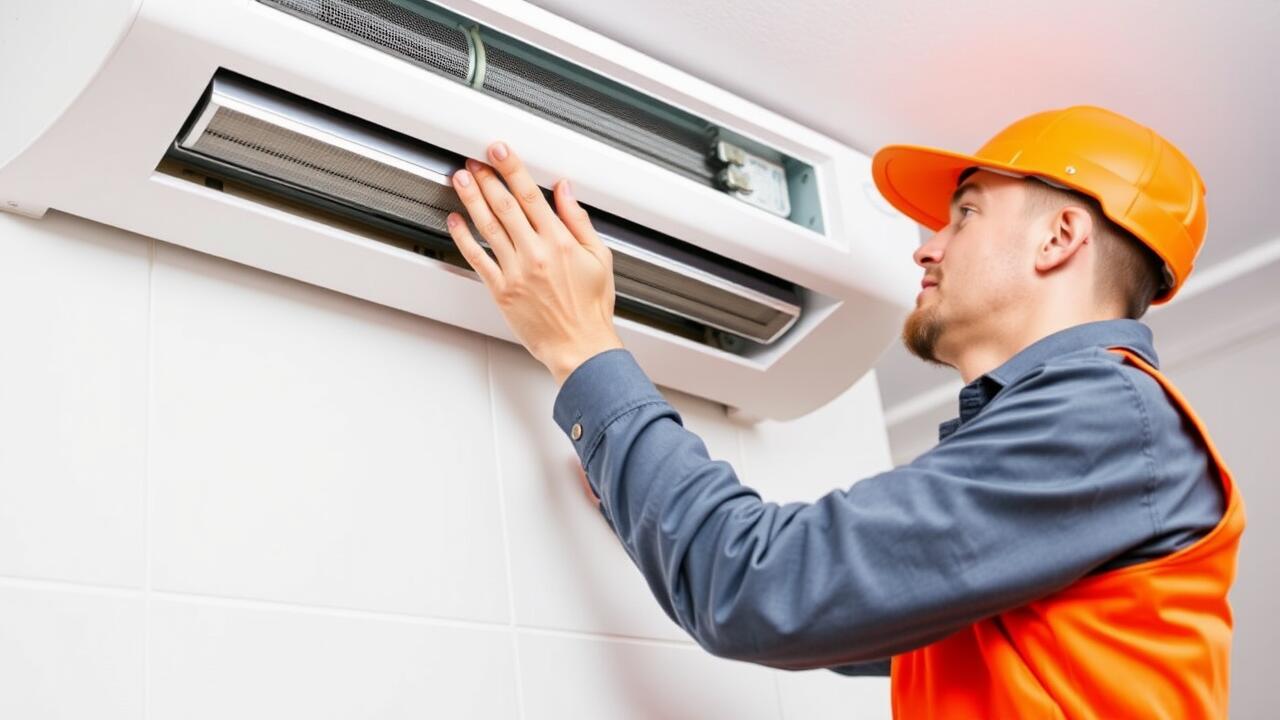
At Air Conditioning Installation, we specialise in comprehensive commercial air conditioning services designed to cater to the specific needs of businesses of all sizes. Our expert team brings years of experience in installing, maintaining, and repairing air conditioning systems that ensure optimal climate control for commercial spaces. We understand that a comfortable work environment is crucial for productivity, which is why we offer tailored solutions that comply with industry standards and enhance energy efficiency. Whether it's an office, retail space, or industrial facility, we deliver reliable installations that prioritise both performance and cost-effectiveness, ensuring your business remains cool and comfortable all year round.
Energy Efficiency in Air Conditioning
Maximising energy efficiency is paramount for both environmental and economic reasons. Modern air conditioning systems are designed with advanced technology that optimises performance while minimising energy consumption. High-efficiency units utilise variable speed compressors and improved insulation, which help to maintain comfortable temperatures without excessive energy use. Regular maintenance also plays a crucial role in ensuring that systems operate at peak efficiency. Simple tasks like changing filters and cleaning coils can significantly impact energy usage and prolong the lifespan of the unit.
Investing in energy-efficient models can lead to substantial savings on energy bills over time. Many units now come with high Seasonal Energy Efficiency Ratings (SEER), indicating their capacity for energy savings. Selecting the appropriate size for a specific space is equally important; undersized systems will struggle to cool effectively, while oversized ones will cycle on and off, wasting energy. When choosing an air conditioning system, considering both the initial cost and long-term savings can ultimately lead to a more sustainable and financially sound decision.
Their blog is a great resource for information.
How to Reduce Energy Costs While Maintaining Comfort
Finding a balance between comfort and energy efficiency is essential for any business looking to manage costs. One effective strategy involves regularly servicing your air conditioning unit to ensure it operates at peak efficiency. Clean filters, properly functioning components, and adequate refrigerant levels contribute to the system's overall performance. Consider setting the thermostat to a higher temperature. Even a small adjustment can lead to noticeable energy savings while still keeping the indoor environment pleasant.
Utilising programmable thermostats can be a pivotal move for energy management. These devices allow for automatic adjustments based on occupancy patterns, ensuring that cooling is minimised when the space is unoccupied. Additionally, investing in energy-efficient units or upgrading insulation can significantly enhance performance. Awareness of heat-producing equipment and directing heat away from the air conditioning unit also plays a role in optimizing energy use.
Troubleshooting Common Issues
Unusual noises from your air conditioning unit can be a clear indication of underlying issues. These sounds may range from rattling and buzzing to hissing, each signalling different problems. Rattling noises often suggest loose components, while buzzing could indicate electrical issues. Hissing sounds may point to a refrigerant leak. Regularly inspecting your system can help identify these issues early and prevent costly repairs.
Another common problem is insufficient cooling, which can leave occupants uncomfortable during hot weather. This issue might arise from a variety of factors, including dirty air filters, blocked vents, or low refrigerant levels. Checking and replacing air filters regularly can enhance airflow, while ensuring vents are unobstructed will allow for optimal performance. If these steps don't resolve the issue, it may be wise to consult a professional for a thorough assessment.
Identifying and Solving Frequent Air Conditioning Problems
Air conditioning units can present a variety of issues that disrupt performance and comfort. One common problem is inadequate cooling, often caused by dirty filters or blocked vents. Regularly inspecting and cleaning these components can significantly enhance airflow and cooling efficiency. Another frequent issue is the presence of unusual noises, which can indicate mechanical problems. Operating sounds such as grinding or rattling should be addressed promptly to prevent further damage and costly repairs.
In addition to these issues, frequent cycling on and off may signal a malfunctioning thermostat or an improperly sized system. This inefficiency not only affects the indoor environment but also elevates energy costs. Checking the settings and recalibrating the thermostat can often resolve such issues. If problems persist, consulting a professional air conditioning technician is advisable to ensure the system operates smoothly and reliably.
Upgrading Your Air Conditioning System
Investing in a new air conditioning system can provide significant benefits in terms of energy efficiency and reliability. Many older systems consume more energy than newer models, resulting in higher utility bills. Modern units often come equipped with advanced technology that enables them to regulate temperature more effectively. This not only contributes to a more consistent indoor climate but also decreases the overall energy consumption.
Recognising the signs that your current system may need replacing is crucial for maintaining comfort and efficiency. Frequent repairs, unusual noises, or a noticeable increase in energy bills often indicate that an upgrade is necessary. Additionally, systems that are over a decade old may not function optimally and might lack the efficiency standards of contemporary models. Timely upgrades can lead to long-term savings and improved indoor air quality.
Signs It’s Time to Replace Your Current System
Several indicators can suggest the need for a new air conditioning system. Frequent breakdowns and repairs not only inconvenience occupants but also lead to escalating maintenance costs. If a unit is over ten years old, it may struggle to keep up with modern efficiency standards, resulting in higher energy bills. Additionally, if the system fails to adequately cool or dehumidify the space, it may be time to consider an upgrade.
Another strong sign for replacement lies in the noise level of the system. Excessive or unusual sounds often indicate mechanical issues that could be costly to fix. If the system consistently operates inefficiently, or if you experience significant fluctuations in temperature, these can be clear indicators that your air conditioning unit has reached the end of its effective lifespan. Upgrading not only enhances comfort but also provides potential savings in energy costs and improves indoor air quality.
FAQS
What are the benefits of energy-efficient air conditioning systems?
Energy-efficient air conditioning systems can significantly reduce energy costs, lower greenhouse gas emissions, and provide consistent comfort while minimising the need for frequent maintenance.
How can I determine if my air conditioning system needs repair or replacement?
Signs that your air conditioning system may need repair include inconsistent cooling, unusual noises, high energy bills, frequent breakdowns, and age. If it's over 10-15 years old, it may be more cost-effective to replace it.
What steps can I take to troubleshoot common air conditioning issues?
Start by checking the thermostat settings, ensuring the air filters are clean, inspecting the outdoor unit for debris, and checking for any visible signs of damage. If issues persist, consult a professional technician.
How often should I service my commercial air conditioning system?
It is recommended to service your commercial air conditioning system at least once a year, ideally before the cooling season begins, to ensure optimal performance and longevity.
What are the signs that indicate it's time to upgrade my air conditioning system?
Signs that it may be time to upgrade include frequent repairs, rising energy bills, inadequate cooling, and the system not meeting current cooling demands or safety standards.