Table Of Contents
Maintenance and Repair Considerations
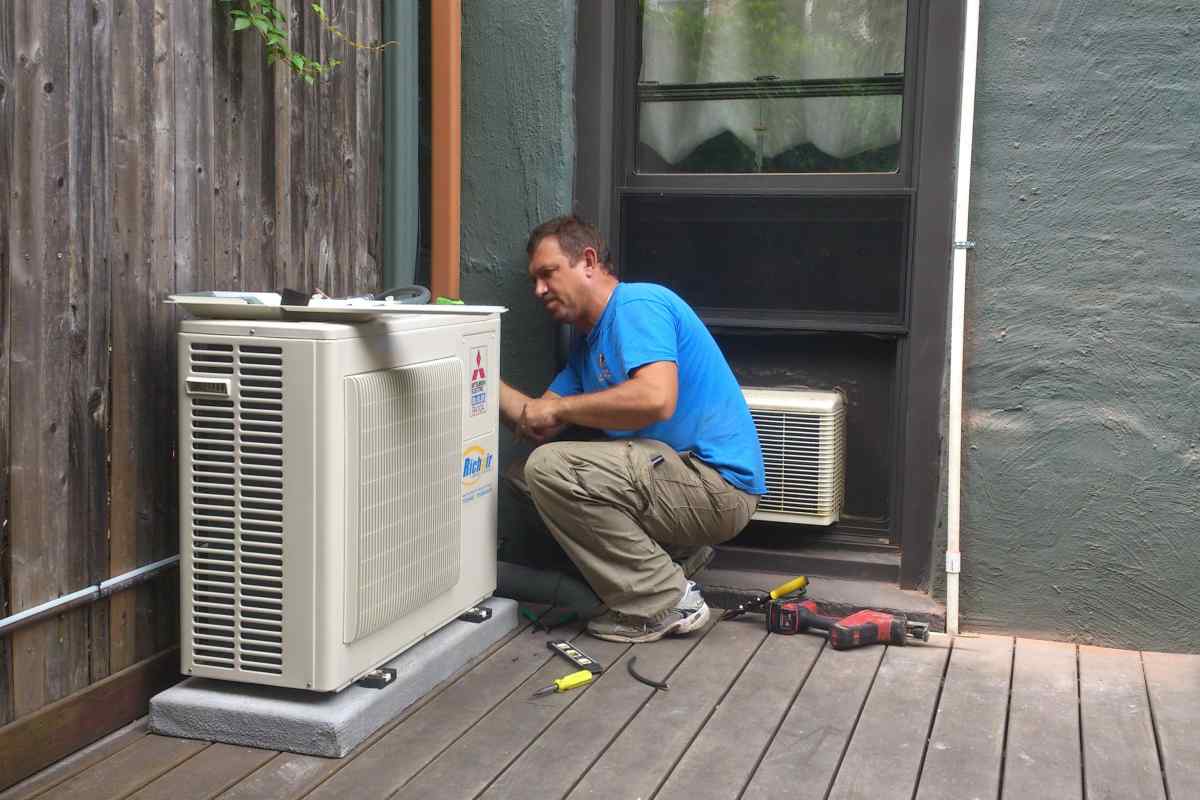
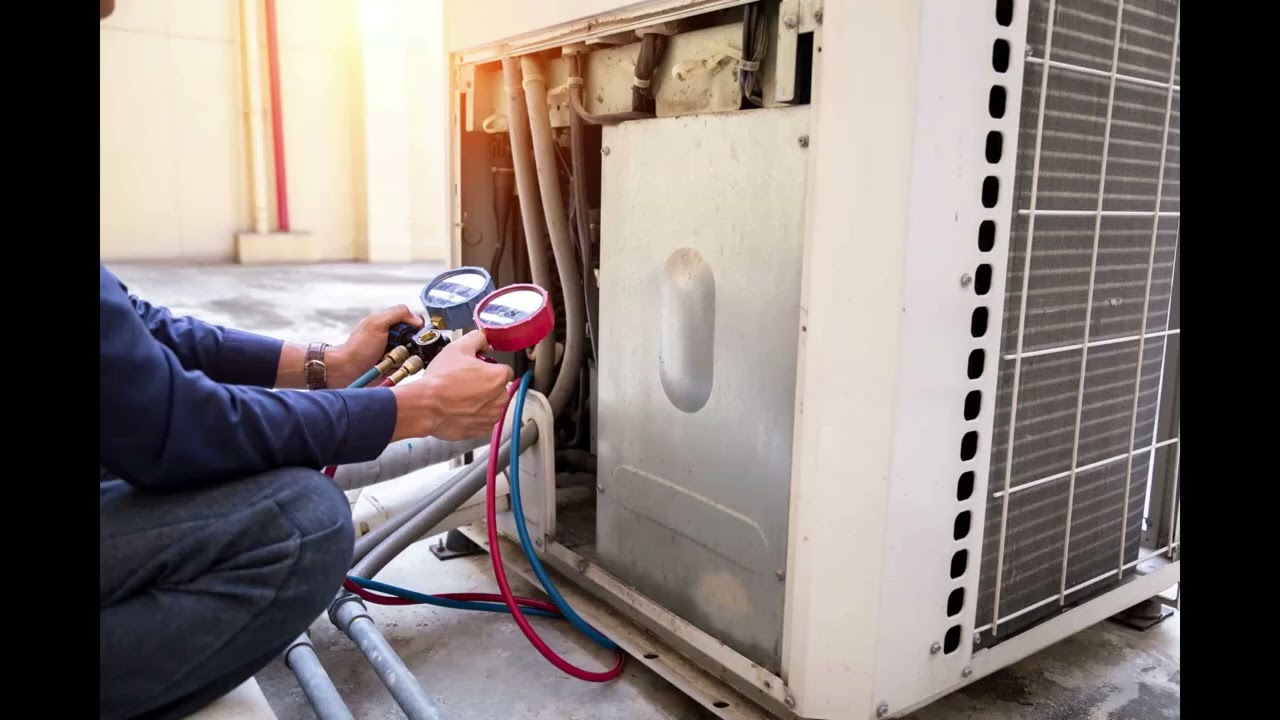
Maintaining a heat pump can sometimes present challenges for homeowners. The technology involved is more complex than in traditional heating systems, necessitating a certain level of expertise for repairs. Many users in areas like Birmingham express concern over locating qualified technicians who can carry out necessary maintenance. Regular servicing is essential for optimal performance and can be an ongoing commitment that some find daunting.
Costs associated with maintenance and repairs can vary significantly. While heat pumps may boast a longer lifespan compared to conventional boilers, the expenses incurred for parts and specialised service can add up. Homeowners need to consider these financial factors when opting for systems like a heat pump in Birmingham. The potential for unexpected repair bills can also deter some individuals from embracing this technology, particularly if they are used to the perceived simplicity of traditional heating methods.
Their blog is a great resource for information.
Ongoing Costs and Responsibilities
When considering a heat pump, it's essential to evaluate the ongoing costs associated with its operation and maintenance. Although these systems can lead to lower energy bills compared to traditional heating methods, users must still account for periodic servicing and potential repairs. Maintaining efficiency often requires regular checks and replacements of filters, which can add to the overall expenses. In cities like Birmingham, where heat pump technology is gaining traction, homeowners should factor in these responsibilities when budgeting for long-term ownership.
Additionally, users must contemplate the impact of electricity prices on their overall expenses. Heat pumps rely on electricity to operate, making them susceptible to fluctuations in energy costs. Given Birmingham's scope for rising energy prices, it is prudent for homeowners to assess their local energy market and secure competitive rates. This consideration can help mitigate the financial burden that might arise from relying solely on heat pumps for heating and cooling in the long term.
Environmental Concerns
Environmental concerns surrounding heat pumps often focus on the sources of electricity that power these systems. While heat pumps are generally more energy-efficient compared to traditional heating methods, their environmental impact can vary significantly depending on the grid's energy mix. In regions using fossil fuels heavily, the emissions associated with operating a heat pump may negate some of the environmental benefits. This concern raises questions about the true sustainability of relying on heat pumps for home heating, particularly in locales like Birmingham where energy sources may not be as renewable as desired.
Additionally, while heat pumps offer a potential reduction in carbon emissions, they require specific refrigerants that can contribute to global warming if leaked. The environmental implications of these chemicals are becoming a growing concern among potential users. As the demand for more sustainable heating solutions rises, it's essential for consumers to be informed about the long-term effects of both the technology and the energy sources they utilize in conjunction with systems like Heat Pump Birmingham. Proper maintenance and responsible energy use can mitigate some environmental issues, but awareness remains a key element in the adoption of heat pump technology.
Sustainability and Energy Sources
The sustainability of heat pumps largely depends on the energy sources used to power them. When connected to renewable energy sources such as solar or wind, heat pumps can significantly reduce carbon emissions. However, if the electricity is generated from fossil fuels, the environmental benefits are diminished. In urban areas like Birmingham, where the energy grid might still rely on traditional sources, the sustainability of heat pumps can come into question. This contradiction can lead to hesitation among potential users who are concerned about their overall ecological impact.
Moreover, the efficiency of heat pumps is affected by the ambient temperature. In regions with lower temperatures, their performance can suffer, making them less reliable. This inefficiency may lead to increased reliance on supplementary heating methods, potentially raising overall energy consumption. Residents in Birmingham considering heat pumps must weigh these factors against their commitment to sustainable practices. Understanding the full scope of energy usage in relation to heat pump systems can be a key component of informed decision-making.
Comparison with Traditional Heating Systems
Heat pumps have garnered attention alongside traditional heating systems like gas boilers and electric heaters. Many individuals weigh these options carefully, considering factors such as efficiency, installation costs, and overall practicality. Traditional systems often boast a familiar infrastructure, making them a more comfortable choice for those hesitant to adopt newer technology. The upfront investment for a heat pump, particularly models like the Heat Pump Birmingham, can be higher, which can deter potential users who fear that they won't recoup their costs within a reasonable timeframe.
When comparing performance, traditional systems can sometimes offer a quicker response to heating needs, whereas heat pumps operate at lower capacities and may take longer to reach desired temperatures. Energy efficiency ratings favour heat pumps, especially in moderate climates, where their ability to transfer heat rather than generate it provides significant advantages. Nevertheless, some critics argue that the environmental drawbacks of heat pumps, depending on their energy source, can diminish their appeal, particularly in areas reliant on fossil fuels for electricity.
Pros and Cons of Alternatives
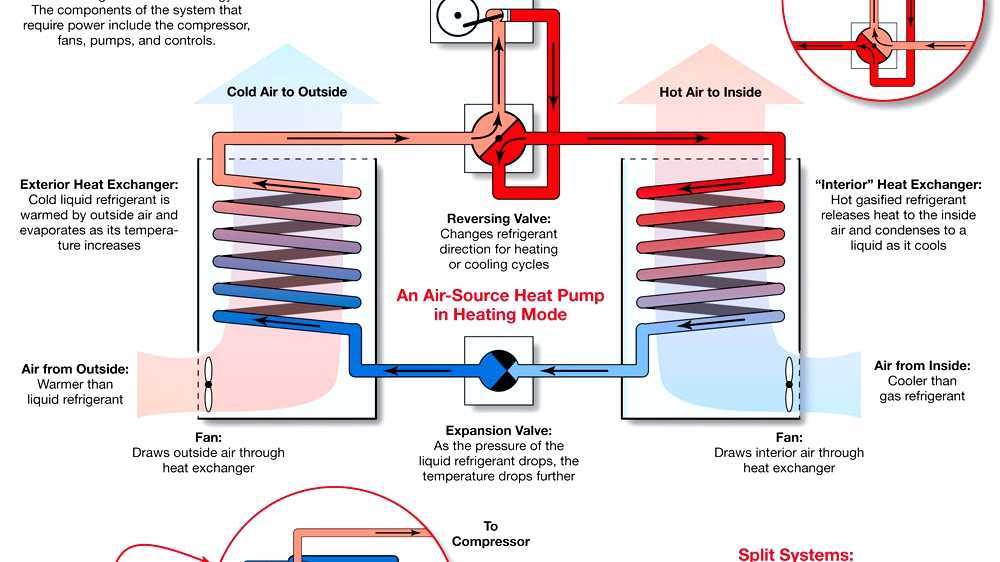
When comparing heat pumps to traditional heating systems, it is essential to weigh the advantages and disadvantages of each alternative. A heat pump, like the ones available in Heat Pump Birmingham, provides efficient energy use by transferring heat instead of generating it. This can lead to lower energy bills and reduced carbon emissions. However, the initial installation costs can be high, which may deter some homeowners from making the switch. Additionally, performance can vary based on the climate, leading to potential inefficiencies in colder regions.
Traditional heating methods, such as gas and electric systems, often provide reliable and immediate warmth. They typically have lower upfront costs and a more familiar maintenance routine. However, many of these systems are less energy-efficient and can contribute significantly to greenhouse gas emissions. Homeowners must also consider the fluctuating costs of fossil fuels, which can impact long-term economic viability. Weighing these pros and cons helps individuals determine which heating solution aligns best with their specific needs and environmental goals.
FAQS
What are the main reasons people dislike heat pumps?
People often dislike heat pumps due to concerns about maintenance and repair costs, ongoing responsibilities, environmental impacts, and comparisons with traditional heating systems.
Are heat pumps expensive to maintain?
While heat pumps generally require less maintenance than traditional systems, some users find the ongoing costs of periodic servicing and potential repairs to be higher than anticipated.
Do heat pumps have a negative environmental impact?
Some individuals raise concerns about the environmental implications of the energy sources used to power heat pumps, particularly if they rely on non-renewable energy.
How do heat pumps compare to traditional heating systems?
Heat pumps are often more energy-efficient than traditional systems, but they can have drawbacks, such as higher upfront costs and performance issues in extremely cold weather.
Are there any benefits to using heat pumps?
Yes, heat pumps can provide energy-efficient heating and cooling, lower energy bills in the long run, and reduced carbon emissions if powered by renewable energy sources.