Table Of Contents
Maintenance Practices for Longevity
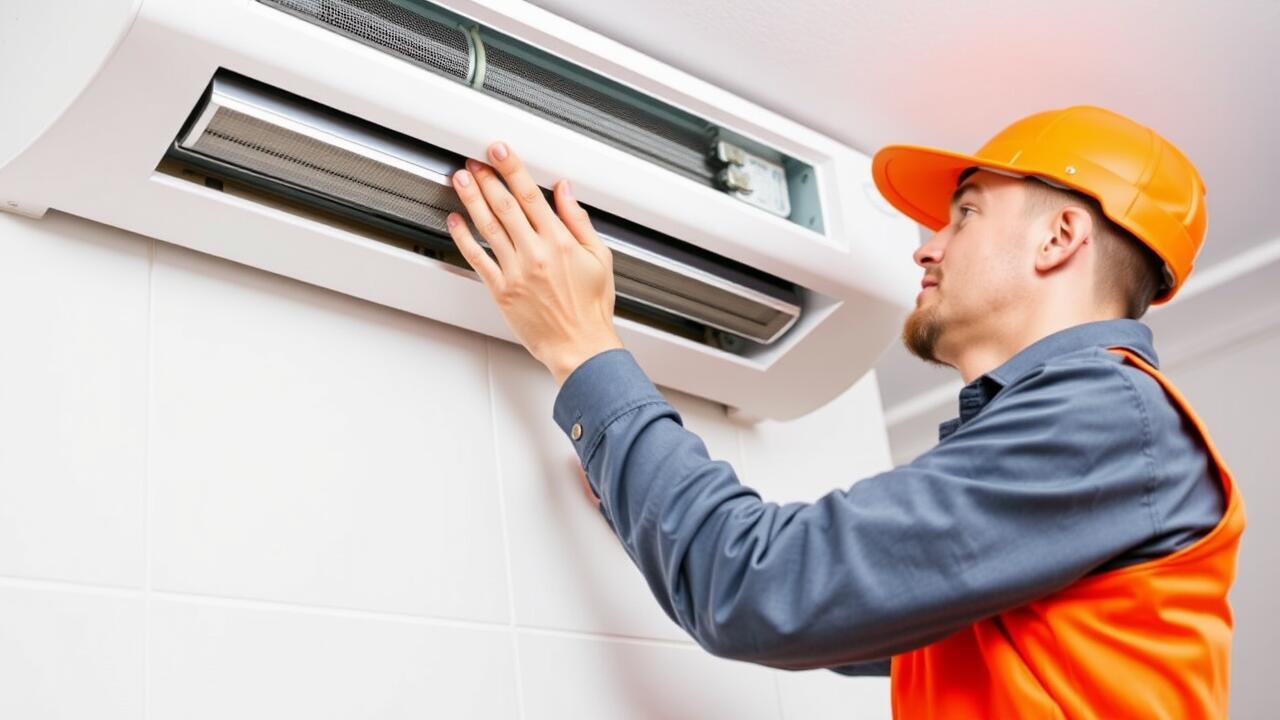
Regular maintenance is essential to ensuring the longevity and efficiency of commercial air conditioning systems. Routine checks should include cleaning or replacing filters, inspecting ductwork for leaks, and ensuring that the refrigerant levels are optimal. Addressing these factors not only improves air quality but also enhances energy efficiency. Businesses in need of reliable services can consider specialists in Commercial Air Conditioning Gib Heath, Birmingham, who understand the unique demands of commercial environments.
Preventative maintenance should be scheduled at least twice a year to mitigate potential issues before they escalate. Technicians can identify wear and tear on components, schedule replacements as needed, and provide insights into energy usage patterns. Over time, this proactive approach reduces downtime and operational costs, increasing the overall lifespan of the system. Adopting such practices plays a significant role in maintaining a comfortable indoor climate for employees and customers alike.
Check out this site for more information.
Scheduled Servicing and Troubleshooting Tips
Regular scheduled servicing is vital for maintaining the efficiency and longevity of commercial air conditioning systems. Businesses should consider engaging professionals who specialise in Commercial Air Conditioning Roughley, Birmingham. These experts can conduct thorough inspections, clean components, and replace worn-out parts, ensuring that the unit operates effectively throughout its lifespan. Timely servicing can help prevent unexpected breakdowns, reducing costly downtime that could disrupt business operations.
In addition to regular maintenance, having a troubleshooting plan in place is essential for addressing issues promptly. Facility managers should be trained to identify common problems, such as unusual noises or inconsistent cooling. Rapid response teams can be beneficial in minimising the impact of faults. Keeping a detailed log of any issues and repairs also aids technicians during servicing appointments, facilitating efficient diagnostics and resolution.
Cost Analysis of Commercial Air Conditioning
When considering the cost analysis of commercial air conditioning systems, businesses must weigh various factors, including the initial investment and ongoing operational expenses. While the upfront cost may appear significant, it is essential to examine the efficiency ratings of different units. Higher energy-rated systems often lead to reduced utility bills, providing long-term savings that can offset the initial expenditure. This analysis becomes particularly relevant for enterprises looking to make informed decisions about their air conditioning choices, especially in areas like Gib Heath, Birmingham, where climate considerations play a role.
Additionally, maintenance costs are another critical component of the financial equation. Regular servicing can prevent major repairs and extend the lifespan of the equipment, which ultimately contributes to lower overall expenses. Businesses engaging services for Commercial Air Conditioning Gib Heath, Birmingham, should factor in these maintenance costs alongside potential energy savings. Understanding the full scope of financial implications not only aids in budget planning but also ensures optimal performance and reliability of the air conditioning system over time.
Initial Investment vs. Long-Term Savings
When considering commercial air conditioning options, businesses often weigh the initial investment against potential long-term savings. Higher-quality systems may come with a steeper price tag, yet they frequently offer greater energy efficiency and reliability over time. Investing in advanced models can lead to reduced energy bills, which are especially beneficial for larger spaces requiring constant climate control. Companies in areas like Gib Heath, Birmingham, could find that the initial cost is offset by lower operating expenses and tax incentives over the system's lifespan.
Maintenance plays a crucial role in maximising savings, as regular servicing can prevent major repairs and extend the lifespan of the equipment. It is not uncommon for businesses to overlook these costs during the budgeting process, focusing solely on the upfront expenditure. However, those who invest in dependable commercial air conditioning solutions in Gib Heath, Birmingham, often report decreased long-term costs due to fewer breakdowns and optimised performance, highlighting the importance of considering both immediate and ongoing financial implications.
Smart Technology in Commercial Air Conditioning
The integration of smart technology in commercial air conditioning systems has transformed how businesses manage their climate control needs, providing enhanced comfort and energy efficiency. Features such as automated temperature controls, adaptive scheduling, and real-time monitoring contribute significantly to reducing operational costs. These systems can analyse usage patterns, allowing for adjustments that optimise energy consumption without sacrificing performance. Commercial Air Conditioning Roughley, Birmingham, exemplifies how such innovations can lead to substantial savings on energy bills while ensuring a consistent environment for employees and customers alike.
Remote monitoring capabilities add another layer of convenience and efficiency. Facilities managers can monitor system performance from anywhere, receiving alerts for maintenance needs or performance anomalies. This proactive approach not only extends the lifespan of the equipment but also minimises downtime caused by unexpected failures. Such smart technologies are increasingly becoming essential for businesses looking to improve their operational efficiency and sustainability in today's competitive landscape.
Benefits of Automation and Remote Monitoring
The integration of smart technology in commercial air conditioning systems significantly enhances operational efficiency through automation and remote monitoring. These advanced systems allow businesses to control their air conditioning units from virtually anywhere, leading to better temperature regulation and energy management. In regions like Harborne, Birmingham, local establishments benefit from this technology, allowing for real-time adjustments based on occupancy and weather changes. This capability not only ensures optimal comfort but also aids in reducing energy consumption, aligning with sustainability goals.
Remote monitoring plays a crucial role in preemptive maintenance. System alerts can notify managers of potential issues before they escalate into costly repairs or downtime, ensuring uninterrupted service. In the competitive market of commercial air conditioning Harborne, Birmingham, businesses that adopt such technologies gain a distinct advantage by reducing maintenance costs and enhancing customer satisfaction. The ability to analyse performance data further empowers managers to make informed decisions about their operations, driving efficiency and reliability in their cooling solutions.
FAQS
What type of air conditioning system is best suited for commercial use?
The best type of air conditioning for commercial use often depends on the specific needs of the space, but options like packaged units, split systems, and VRF (Variable Refrigerant Flow) systems are popular choices due to their efficiency and ability to manage larger areas.
How often should commercial air conditioning units be serviced?
It is generally recommended to schedule servicing for commercial air conditioning units at least twice a year. This helps ensure optimal performance and longevity, preventing breakdowns during peak usage times.
What factors impact the cost of commercial air conditioning?
Factors affecting the cost of commercial air conditioning include the initial purchase price, installation costs, energy efficiency ratings, maintenance requirements, and potential long-term savings on energy bills.
Can smart technology improve the efficiency of commercial air conditioning systems?
Yes, integrating smart technology into commercial air conditioning systems can significantly enhance efficiency. Features like automation and remote monitoring allow for better control of temperature settings, leading to energy savings and improved comfort.
What are the long-term savings associated with investing in a high-quality commercial air conditioning system?
Investing in a high-quality commercial air conditioning system can lead to long-term savings through reduced energy consumption, lower maintenance costs, and fewer repairs, ultimately resulting in a lower total cost of ownership over time.