Table Of Contents
Maintenance and Longevity of AC Units
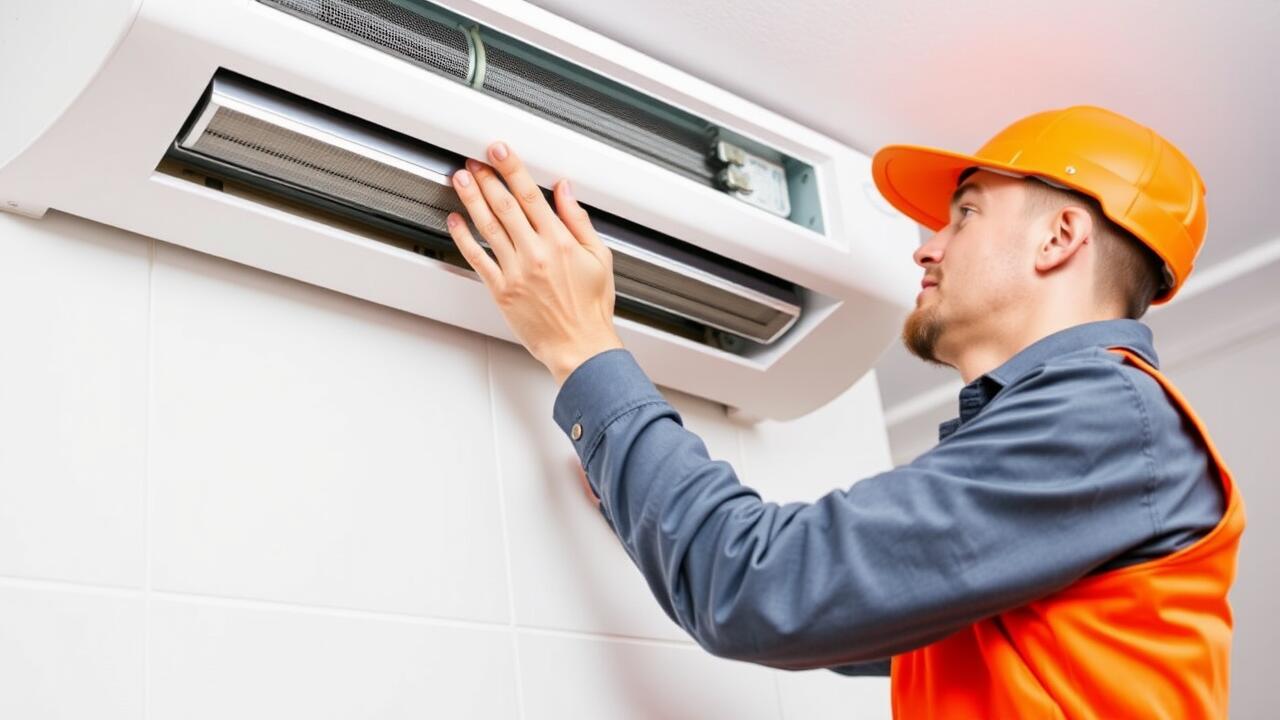
Maintaining the longevity of air conditioning units in a restaurant setting is paramount for both comfort and operational efficiency. Regular inspections and maintenance can significantly extend the lifespan of the equipment, preventing costly breakdowns and ensuring optimal performance during peak service hours. A well-maintained system can also improve energy efficiency, which is crucial in an environment where electricity costs can quickly escalate. By investing time and resources in routine servicing, restaurant owners can avoid the pitfalls of unexpected repairs.
In Acocks Green, Birmingham, relying on expert services such as Commercial Air Conditioning Acocks Green, Birmingham, can provide invaluable support in upkeep and maintenance. These professionals are trained to address specific challenges that commercial establishments face, offering tailored solutions for unique operational needs. Proper maintenance schedules often include filter replacements, coil cleaning, and refrigerant checks, all of which contribute to the overall health of the units. Maintaining a robust air conditioning system not only enhances comfort but also creates a more inviting atmosphere for patrons.
Continue reading this article for more information.
Importance of Regular Servicing
Regular servicing of air conditioning systems is crucial for optimal performance in a restaurant setting. It ensures that the units function efficiently, reducing the risk of breakdowns during peak business hours. In a busy environment, where customer comfort is paramount, any malfunction could lead to an uncomfortable atmosphere. Maintenance typically includes cleaning filters, checking refrigerant levels, and inspecting electrical components, which helps to prolong the life of the equipment.
Many restaurants overlook the importance of routine checks, leading to larger, more expensive issues down the line. Engaging professionals, such as those offering Commercial Air Conditioning Acocks Green, Birmingham, can provide peace of mind. These experts can identify potential problems early on and ensure that the system remains compliant with health and safety regulations. Investing in regular servicing not only preserves the integrity of the air conditioning unit, but it also contributes to a better dining experience for patrons.
Cost Implications of Different AC Types
The cost implications of different air conditioning types can significantly impact a restaurant’s budget. Initial purchase prices vary widely, with central systems generally being more expensive than split units or portable options. Additionally, installation costs must be factored in, especially for more complex setups like ducted air conditioning. Commercial Air Conditioning Acocks Green, Birmingham, offers a range of options that can help owners choose a system that fits their budget while providing the necessary cooling capacity.
Long-term operating costs also play a crucial role in the overall financial picture. Energy efficiency ratings vary between models, influencing the ongoing electricity bills associated with running the unit. Regular maintenance is essential for all types of air conditioning systems to ensure optimal performance and longevity. Businesses that invest in efficient systems and priority servicing often see a reduction in energy expenses over time, making them a more economical choice in the long run.
Initial Purchase vs. Long-Term Operating Costs
When considering air conditioning for a restaurant, the initial purchase price of the unit is only one part of the equation. Many restaurant owners often focus on attractive upfront costs, overlooking the long-term operating expenses that can significantly impact their budget. Energy efficiency should be a priority when making a decision, as high-efficiency models may come with a steeper price tag initially but result in substantial savings on electricity bills over time. Additionally, installation and maintenance costs should be factored in, as more complex systems may require specialised technicians.
Long-term operating costs can vary widely depending on the type of system chosen. For example, a split system may require lower maintenance compared to a central system but could have higher energy consumption. Careful consideration of these costs is crucial for the restaurant's financial health. Consulting resources like Commercial Air Conditioning Five Ways in Birmingham can provide valuable insights into selecting an efficient system tailored to specific needs and long-term profitability. Balancing the initial outlay with ongoing expenses ensures a well-informed decision that supports sustainable operations.
Air Quality and Filtration Systems
Air quality plays a crucial role in the comfort and health of both restaurant staff and patrons. Poor air quality can lead to discomfort, decreased productivity, and even health issues over time. Implementing effective filtration systems in commercial air conditioning units can help remove airborne contaminants including dust, allergens, and even odours that often accumulate in busy environments. Proper ventilation and filtering not only enhance the dining experience but also create a safer atmosphere, ensuring that customers return to a pleasant environment.
Investing in high-quality air filtration systems yields significant benefits. Restaurants can eliminate potential pollutants that arise from cooking and food preparation, which often contribute to unpleasant smells and irritants. Working with services like Commercial Air Conditioning Five Ways, Birmingham, ensures that the systems are not only installed but also maintained for optimal performance. This attention to air quality reflects a commitment to customer health and satisfaction, which is increasingly becoming a priority for dining establishments.
Health Benefits of Good Air Quality
Good air quality is vital in a restaurant setting, where patrons expect a comfortable and pleasant dining experience. Proper air filtration systems help eliminate harmful pollutants, allergens, and odours from the environment, contributing to a healthier atmosphere. This is especially important in establishments with high foot traffic, as the accumulation of dust, smoke, and food particles can lead to diminished air quality. Implementing effective air quality measures can reduce the risk of respiratory issues, allergies, and other health concerns among both customers and staff.
Moreover, investing in Commercial Air Conditioning Acocks Green, Birmingham, ensures that restaurants maintain optimal temperature and humidity levels. When indoor conditions are well-regulated, it enhances customer satisfaction and promotes longer stays, ultimately increasing revenue. Additionally, good air quality can positively affect employee productivity and overall morale, creating a more enjoyable work environment. Prioritising these health benefits is essential for the success of any food establishment.
FAQS
What type of air conditioning system is best suited for a restaurant?
The best type of air conditioning system for a restaurant often depends on the size and layout of the space, but central air conditioning units or split systems are generally recommended for their efficiency and ability to maintain consistent temperatures.
How important is regular servicing for air conditioning units in restaurants?
Regular servicing is crucial for air conditioning units in restaurants as it ensures optimal performance, extends the lifespan of the unit, prevents costly breakdowns, and maintains energy efficiency.
What are the cost implications of different types of air conditioning systems?
Different air conditioning systems vary in initial purchase cost and long-term operating costs. While central AC systems might have a higher initial cost, they can lead to lower operating costs due to their efficiency compared to window units or portable systems.
How does air quality impact diners in a restaurant?
Good air quality is vital in restaurants as it affects diners' comfort and overall experience. Proper air filtration systems can help remove allergens, smoke, and cooking odours, leading to a healthier dining environment.
What health benefits come from maintaining good air quality in a restaurant?
Maintaining good air quality in a restaurant can reduce the risk of respiratory issues, allergies, and other health problems for both staff and customers, thus creating a more pleasant and safe dining atmosphere.