Table Of Contents
Maintenance Best Practices for Commercial Air Conditioning
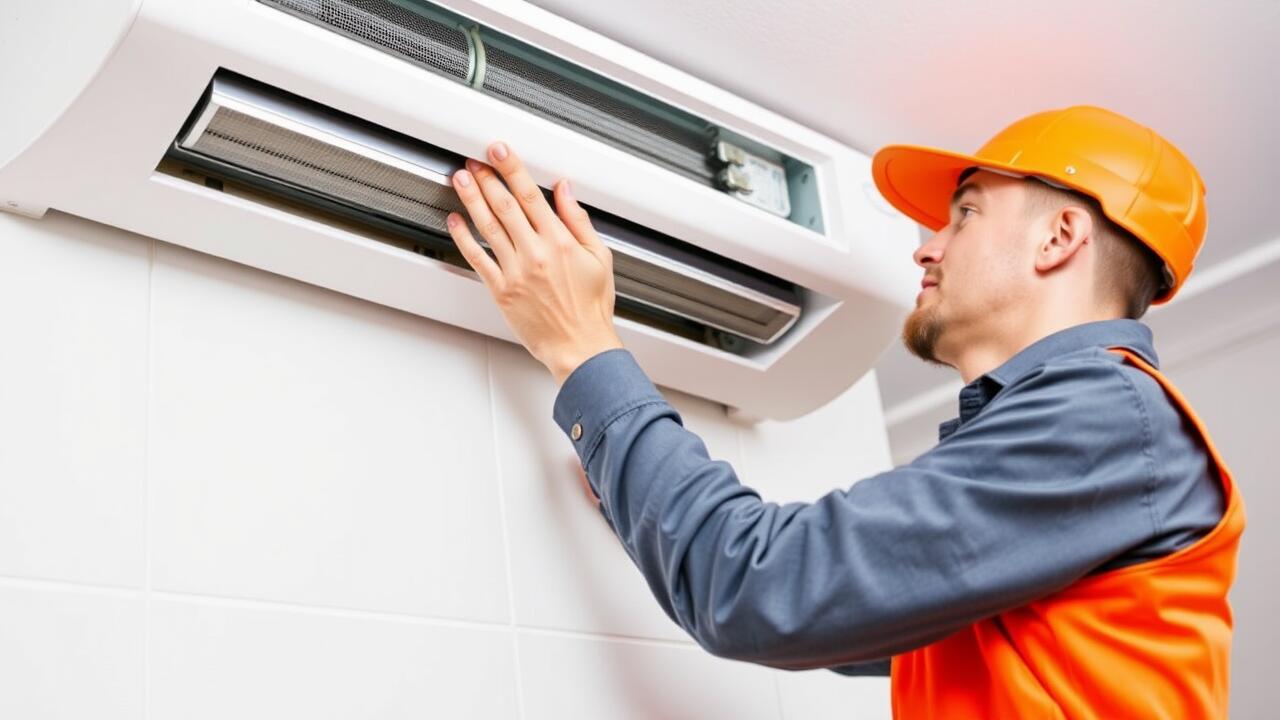
Regular maintenance of commercial air conditioning systems is essential for ensuring optimal performance and longevity. Scheduled inspections should be conducted at least twice a year, focusing on key components such as filters, condensers, and evaporators. Cleaning and replacing filters can significantly enhance airflow and efficiency, reducing energy costs. Additionally, addressing any signs of wear or damage early can prevent costly repairs down the line. Local experts such as Commercial Air Conditioning Gunsmiths Quarter, Birmingham, can offer tailored maintenance programmes designed to fit specific business needs.
Training staff to recognise early warning signs of potential issues can also contribute to effective maintenance. Simple practices, such as keeping external units clear of debris and regularly checking thermostat settings, can improve the system's efficiency. Properly calibrating thermostats ensures accurate temperature control, which is crucial for maintaining a comfortable environment. Engaging with qualified technicians through services such as those offered by Commercial Air Conditioning Gunsmiths Quarter, Birmingham, further guarantees that systems are kept in peak condition, minimising disruptions to operations.
Here is a great resource for anyone looking to expand on this topic.
Routine Checks and Servicing
Routine checks and servicing are essential for the longevity and efficiency of commercial air conditioning systems. Regular inspections should focus on key components such as filters, coils, and blower components. Clean or replace filters as necessary to ensure optimal airflow and indoor air quality. Checking refrigerant levels is also crucial; insufficient levels can hinder performance and lead to system damage over time.
In Stechford, Birmingham, businesses must adhere to a maintenance schedule tailored to their specific air conditioning system. Collaborating with a professional service provider ensures that all necessary checks are performed methodically. This proactive approach can help identify potential issues before they escalate, minimising downtime and repair costs. Regular servicing optimises energy efficiency, ultimately providing a comfortable environment for employees and customers.
Common Issues with Commercial Air Conditioning
Commercial air conditioning systems often encounter a range of issues that can affect their efficiency and performance. One of the most common problems is insufficient cooling, which can stem from various sources such as dirty filters, refrigerant leaks, or malfunctioning thermostats. These factors not only impede comfort levels but may also result in increased energy consumption as the system struggles to maintain the desired temperature. Regular assessment of these elements is essential to prevent escalation and to ensure a comfortable environment for occupants.
Another prevalent issue is unusual noise emanating from the units, which may indicate underlying mechanical problems. Sounds such as grinding, rattling, or hissing can signal loose components or failing parts within the system. For businesses in need of efficient climate control, seeking professional help for servicing and repairs is vital. In areas like Commercial Air Conditioning Deritend, Birmingham, timely interventions can help maintain optimal performance and minimise disruptions. Addressing these common issues promptly can prolong the life of the system and improve overall air quality.
Troubleshooting Common Problems
When dealing with common issues in commercial air conditioning systems, it is essential to first verify the power supply. A common fault occurs when the system fails to turn on, often due to tripped circuit breakers or blown fuses. Inspecting these components can help identify if the power issue is the culprit. If the system is operational but not cooling effectively, checking the thermostat settings and ensuring they are accurately calibrated is a critical step.
Another prevalent problem might be abnormal noise levels coming from the unit. This can indicate a loose component or debris obstructing the fan. In such cases, it is advisable to carry out a thorough inspection and clean any blockages. For businesses situated in areas like Commercial Air Conditioning Stechford, Birmingham, staying ahead of these minor concerns can prevent costly breakdowns and maintain optimal performance.
Choosing the Right Commercial Air Conditioning System
Selecting the right commercial air conditioning system is crucial for ensuring optimal climate control in any business setting. Businesses must evaluate the specific needs of their space, such as the square footage and typical occupancy levels. These factors determine the capacity and efficiency required from the system. Consulting with professionals can provide insight into the best options available that align with the operational requirements of the business.
Location also plays a significant role in the decision-making process. Businesses situated in hotter climates may require systems with higher cooling capacities. Additionally, energy efficiency ratings should be considered, as these impact long-term costs associated with operating the system. For those in the Birmingham area, Commercial Air Conditioning Gunsmiths Quarter, Birmingham, offers tailored advice and services to help select the most suitable unit for different commercial environments.
Factors to Consider
When determining the most suitable commercial air conditioning system, several factors play a crucial role in the decision-making process. The size and layout of the space significantly influence the system's capacity requirements. An accurate calculation of cooling loads ensures optimal temperature control. Budget constraints are another vital aspect to consider, as the initial purchase price and long-term operational costs can vary widely among different systems. Investing in energy-efficient models may offer savings in the long run, despite higher upfront costs.
Location also impacts the selection of a commercial air conditioning system. For businesses situated in areas like Erdington, Birmingham, considering local climate conditions is essential. Systems must be capable of handling seasonal temperature fluctuations and humidity levels to maintain a comfortable environment. Additionally, evaluating the specific needs of occupants, such as air quality requirements and system noise levels, contributes to making an informed choice. Understanding these factors will help businesses establish an efficient and reliable air conditioning solution tailored to their operational requirements.
FAQS
What is commercial air conditioning?
Commercial air conditioning refers to the systems and technologies used to control the temperature, humidity, and air quality in commercial buildings, such as offices, shops, and warehouses. These systems are designed to maintain comfortable indoor environments for employees and customers while ensuring energy efficiency.
How often should commercial air conditioning systems be serviced?
It is recommended that commercial air conditioning systems be serviced at least once or twice a year. Routine maintenance helps to identify potential issues, improve efficiency, and extend the lifespan of the equipment.
What are some common issues faced by commercial air conditioning systems?
Common issues with commercial air conditioning systems include inadequate cooling, strange noises, water leaks, and foul odours. Regular maintenance and inspections can help to mitigate these problems.
How can I troubleshoot problems with my commercial air conditioning system?
To troubleshoot common problems, start by checking the thermostat settings, changing the air filters, and inspecting the ductwork for blockages. If the issue persists, it is advisable to consult a professional HVAC technician for further diagnosis and repair.
What factors should I consider when choosing a commercial air conditioning system?
When selecting a commercial air conditioning system, consider factors such as the size and layout of the space, energy efficiency ratings, installation costs, and the specific cooling requirements of your business. It is also important to assess the system's maintenance needs and warranty options.