Table Of Contents
Maintenance Needs
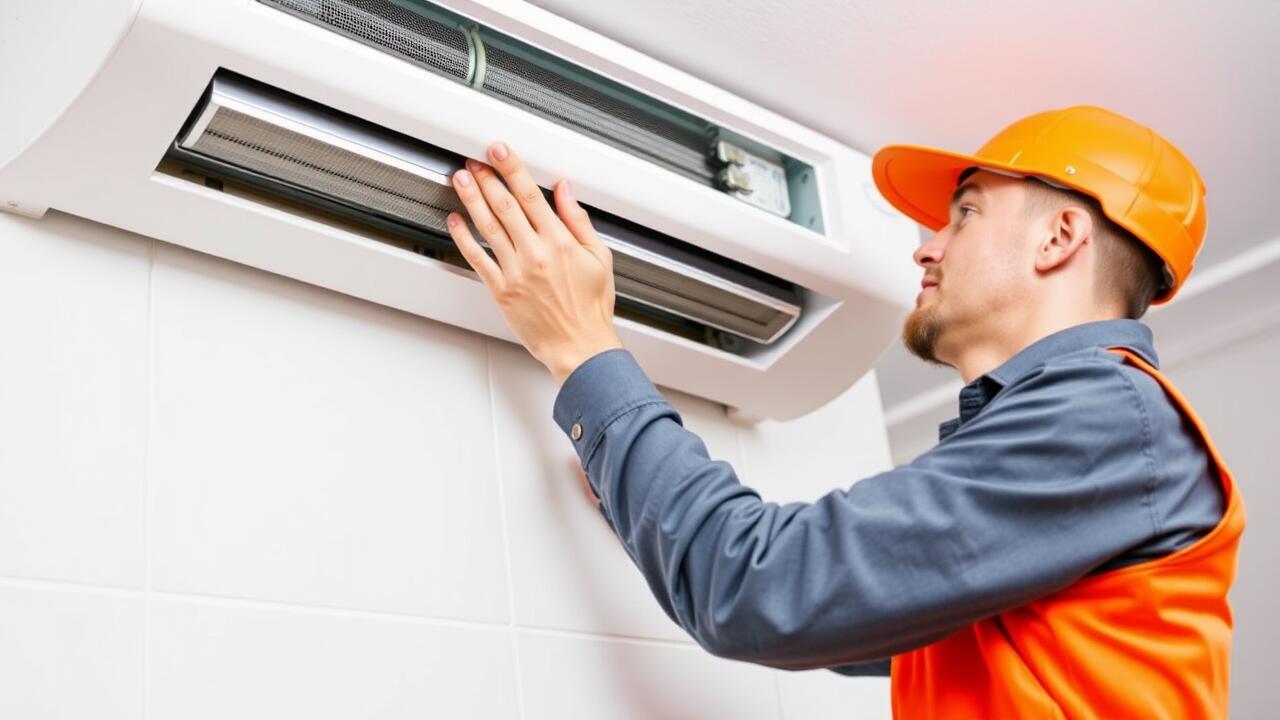
Maintaining air conditioning systems is crucial for ensuring optimal performance and longevity. In residential units, routine tasks such as cleaning or replacing filters, checking ducts for leaks, and scheduling annual professional inspections are often sufficient. Homeowners typically manage these maintenance actions themselves or engage a technician once a year. The compact size of residential systems allows for straightforward upkeep, making it easier to handle minor issues before they escalate.
In contrast, commercial air conditioning systems, such as those found in larger facilities, require a more rigorous and frequent maintenance schedule. These systems are often complex and operate under heavier workloads, so they necessitate regular professional servicing to address wear and potential malfunctions. For businesses in need of reliable climate control, seeking out services like Commercial Air Conditioning Birmingham can help ensure that the systems remain efficient and effective. This level of maintenance not only extends the lifespan of the equipment but also optimises energy consumption, contributing to overall operational efficiency.
Have a peek at this blog for further readings.
Frequency and Type of Servicing
The frequency and type of servicing for commercial and residential air conditioning systems can vary significantly due to their differing operational demands. Commercial systems typically require more frequent maintenance checks due to their extensive use in larger spaces. These systems often run for longer hours and under heavier loads, necessitating a thorough inspection at least biannually. This can include cleaning filters, checking refrigerant levels, and ensuring that all components are functioning efficiently. In contrast, residential systems may only need servicing once a year, focusing primarily on basic maintenance tasks that ensure comfort in a household setting.
Specific servicing needs can also diverge depending on the system type. For example, a robust system installed in a commercial property, such as those offered by Commercial Air Conditioning Sherborne Wharf, Birmingham, may require specialised technicians well-versed in handling complex units. They may implement intricate maintenance protocols that involve calibrating controls and inspecting ductwork for optimal airflow. On the other hand, residential systems mainly demand routine check-ups that are relatively straightforward, allowing homeowners to address issues with minimal disruption to their daily lives.
Cost Implications
The cost implications of commercial and residential air conditioning systems can vary significantly. Initial investment in commercial systems tends to be higher due to their larger capacity and more complex installation requirements. Businesses often need to consider additional features such as zoning capabilities and integration with other HVAC systems, which further escalates the upfront costs. This is particularly evident in areas like Commercial Air Conditioning Gay Village, Birmingham, where demand for efficient climate control in various establishments can push prices up.
In contrast, residential systems generally have lower installation costs and simpler configurations. However, while the initial outlay may be less for homeowners, long-term expenses must also be considered. Residential systems may require more frequent servicing and repairs over time. Additionally, energy consumption differences between the two types can affect overall operational costs significantly, potentially leading to higher bills for commercial spaces that operate continuously.
Initial Investment vs Long-Term Expenses
The initial investment in commercial air conditioning systems tends to be significantly higher than that of residential units. Commercial units are typically larger and more powerful, designed to cool expansive spaces efficiently. As a result, businesses may find their upfront expenses for installation and equipment much greater. For instance, opting for a dependable provider like Commercial Air Conditioning Sherborne Wharf, Birmingham can assure the quality and reliability of the system chosen, although it may come at a premium.
On the other hand, while the initial costs of commercial systems can be daunting, long-term expenses can vary considerably. Energy efficiency plays a crucial role, and businesses that invest in high-efficiency units may see reduced utility bills over time. Regular maintenance is essential to ensure optimal operation, and proper servicing can mitigate potential repair costs. Thus, assessing the long-term implications of both costs and benefits is vital for businesses contemplating an investment in commercial air conditioning.
Environmental Impact
The environmental impact of air conditioning systems is a critical consideration, particularly when comparing commercial and residential units. Commercial air conditioning systems, like those found in West Heath, Birmingham, often have larger capacities and are designed to cool substantial spaces. This can lead to higher energy consumption, resulting in increased greenhouse gas emissions. The size and complexity of these systems mean they typically require more energy to operate efficiently, and their use can significantly contribute to a building's overall carbon footprint.
In contrast, residential air conditioning systems are generally smaller and designed for efficiency in domestic settings. While they also consume energy and contribute to emissions, their impact is often less pronounced due to their size and lower operational hours. Evaluating the energy efficiency ratings of both commercial and residential systems can help in making environmentally conscious choices. Innovations aimed at reducing emissions and improving energy consumption continue to evolve, promoting better sustainability practices across both commercial and residential sectors.
Emission Rates and Energy Consumption
The environmental impact of air conditioning systems is a significant consideration for both commercial and residential settings. Commercial air conditioning units generally have higher cooling capacities and are often in operation for longer hours compared to residential systems. This increased usage leads to higher energy consumption and, consequently, more emissions associated with electricity production, particularly if fossil fuels are the primary energy source. For businesses, adopting energy-efficient systems, such as those provided by Commercial Air Conditioning West Heath, Birmingham, can significantly reduce their carbon footprint.
Residential systems usually operate less frequently and may have lower overall emissions. However, the specific energy consumption patterns depend on the size of the home and the efficiency of the unit. Homeowners can enhance their systems' sustainability through regular maintenance and upgrades to more energy-efficient models. In contrast, commercial entities need to take a more comprehensive approach, balancing operational needs with environmentally responsible choices to mitigate their overall environmental impact.
FAQS
What is a commercial AC system?
A commercial AC system is designed for large buildings such as offices, malls, and factories, where it must efficiently cool significant spaces and handle higher occupancy levels compared to residential systems.
How does the maintenance of commercial AC systems differ from residential ones?
Commercial AC systems typically require more frequent and specialised maintenance due to their complexity and larger scale, often involving professional servicing every few months, whereas residential systems may only need servicing once or twice a year.
What are the cost differences between commercial and residential AC systems?
Commercial AC systems generally entail a higher initial investment due to their size and capabilities, and while long-term operational costs can be higher due to energy consumption, they are designed for efficiency and longevity.
Are commercial AC systems more environmentally friendly than residential ones?
It depends on the specific systems in question, but many modern commercial AC systems are built with advanced technology aimed at reducing energy consumption and emissions, potentially making them more environmentally friendly than older residential systems.
Can I use a residential AC unit in a commercial setting?
While it's technically possible, it is not advisable as residential AC units are not equipped to handle the demands of a commercial environment, which could lead to inefficiency, inadequate cooling, and potential system failures.