Table Of Contents
Compatibility with Existing Systems
The integration of heat pumps into existing heating systems can pose significant challenges for homeowners. Many houses are designed around traditional heating systems, such as gas or oil-fired boilers. Retrofitting these old systems to accommodate heat pumps requires careful consideration and sometimes extensive modifications, especially if the home lacks the necessary insulation or has an inefficient layout.
Furthermore, not all existing infrastructure is compatible with the performance requirements of heat pumps. For instance, the ducts used in conventional HVAC systems may not effectively distribute the heat produced by a heat pump, leading to uneven heating. In areas like Swan Island, Birmingham, where the uptake of heat pumps for homes is encouraged, it is essential for homeowners to assess their current systems to ensure seamless integration and to maximise energy efficiency.
Hop over here to discover more.
Challenges in Retrofitting
Retrofitting existing heating systems to accommodate heat pumps can present significant challenges for homeowners, especially in older properties. Many traditional systems may not be compatible with the lower temperatures at which heat pumps typically operate. Upgrading insulation or modifying the layout of radiators may be necessary to enhance efficiency, leading to additional costs and extensive renovations.
Specific areas, such as Heat Pumps For Homes Chinese Quarter, Birmingham, may face geographical or architectural limitations that complicate this transition. Narrow streets and historic buildings can restrict space for outdoor units, while local regulations might impede modifications to property exteriors. Homeowners must carefully weigh these factors before proceeding with a retrofitting project.
Potential for Reduced Performance
Heat pumps are typically designed to work efficiently in moderate climates, where they can extract heat from the air or ground effectively. In colder temperatures, however, their performance can significantly decline. During especially frigid days, heat pumps may struggle to provide adequate warmth, necessitating supplementary heating systems to maintain comfort levels. This can lead to increased energy consumption and costs for homeowners who rely heavily on these systems.
Factors influencing the efficiency of heat pumps include the outdoor temperature and humidity levels. Colder conditions diminish their ability to absorb heat, which can result in reduced performance over time. Homeowners looking into options like Heat Pumps For Homes Digbeth, Birmingham should consider these potential limitations. Understanding how regional climate affects heat pump efficiency is crucial for making informed decisions about heating solutions.
Factors Influencing Efficiency Over Time
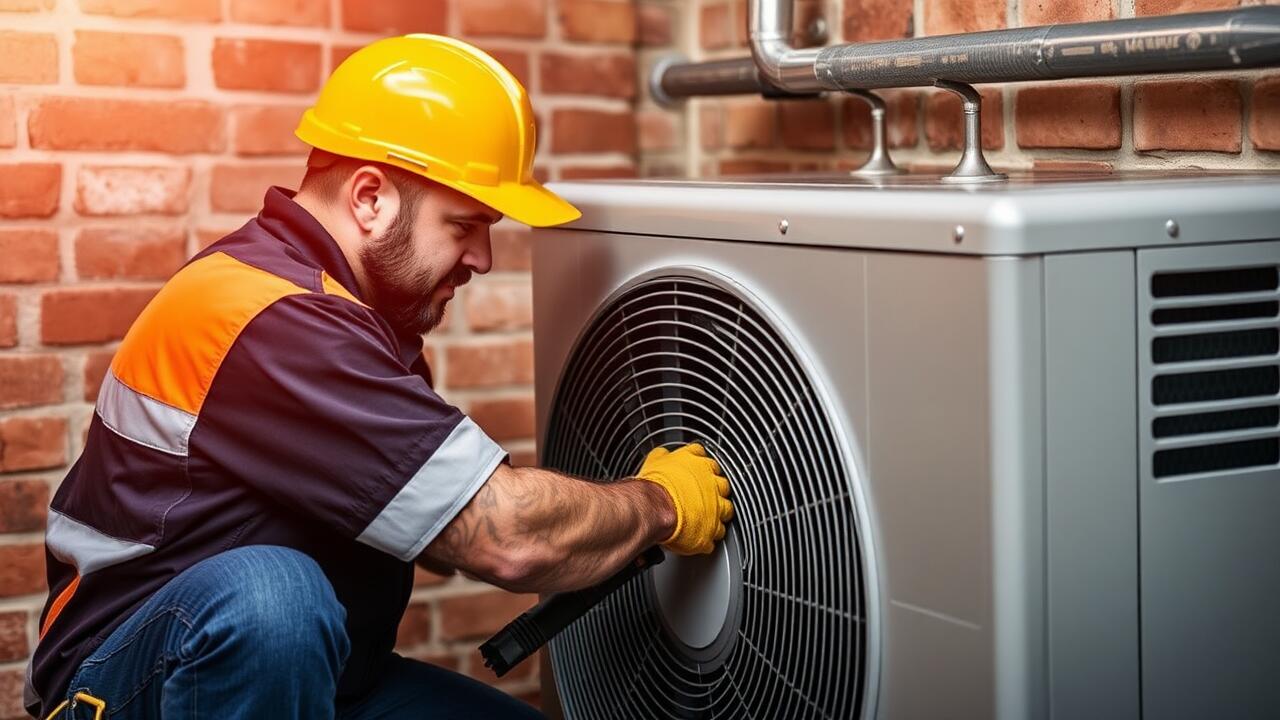
The efficiency of heat pumps can diminish over time due to several factors. Regular maintenance is essential to ensure optimal performance. Neglecting routine check-ups can lead to the accumulation of dirt and debris within the system, which impairs heat exchange. Condenser and evaporator coils must remain clean, as any obstruction can result in decreased output and increased energy consumption.
In addition, the age of the heat pump plays a significant role in its efficiency. As the technology progresses, older models may not perform as effectively as newer designs. A heat pump's inability to adapt to changing environmental conditions can also impact its efficiency. Residents considering installations such as "Heat Pumps For Homes Erdington, Birmingham" should be aware of these factors and the potential implications for long-term performance. Regular assessments and timely upgrades can mitigate these issues and enhance overall system efficiency.
Environmental Concerns
Heat pumps are often lauded for their energy efficiency and potential to reduce carbon footprints. However, one significant environmental concern revolves around the refrigerants used in these systems. Some refrigerants have high global warming potential (GWP), which can counteract the climate benefits if they leak into the atmosphere. As the demand for heat pumps grows, the impact of these substances becomes increasingly critical to address.
In the context of projects like Heat Pumps For Homes Swan Island, Birmingham, it's essential to consider the entire lifecycle of the equipment, including its disposal. Improper handling during installation or removal can exacerbate the environmental issues associated with refrigerants. Additionally, while the operation of heat pumps may result in lower emissions, the energy sources powering them must also be considered to evaluate their true ecological footprint effectively.
Refrigerants and Their Impact
The choice of refrigerants used in heat pumps can significantly impact both efficiency and environmental sustainability. Many traditional refrigerants contain hydrofluorocarbons (HFCs), which are potent greenhouse gases. Although newer alternatives aim to reduce these harmful emissions, the transition to more environmentally friendly refrigerants involves challenges in terms of availability and cost. Homeowners considering options such as Heat Pumps For Homes Birches Green, Birmingham, should be aware of these factors when evaluating the overall environmental impact of their heating system.
Furthermore, the disposal and handling of refrigerants pose additional concerns. Improper management can lead to leaks, resulting in harmful effects on both the ozone layer and global warming. The installation and maintenance of heat pumps require trained professionals to mitigate these risks, ensuring compliance with environmental regulations. As the market evolves, the focus on developing safer and more effective refrigerants remains critical in minimising the ecological footprint of heating technologies.
FAQS
What are the main downsides of heat pumps?
The main downsides of heat pumps include compatibility issues with existing heating systems, potential for reduced performance in extremely cold weather, and environmental concerns regarding refrigerants.
Are heat pumps suitable for retrofitting in older homes?
While heat pumps can be retrofitted in older homes, the process can be challenging due to existing infrastructure and may require significant modifications to ensure efficient operation.
Do heat pumps perform well in very cold climates?
Heat pumps may experience reduced performance in very cold climates, as their efficiency can decline when outdoor temperatures drop significantly, leading to potential heating challenges.
What factors can influence the efficiency of a heat pump over time?
Factors influencing the efficiency of a heat pump over time include regular maintenance, the quality of the installation, and the age of the unit, which can all affect its overall performance.
What environmental concerns are associated with heat pumps?
Environmental concerns related to heat pumps primarily revolve around the types of refrigerants used, which can have a negative impact on the ozone layer and contribute to climate change if not managed properly.