Table Of Contents
Maintenance Requirements
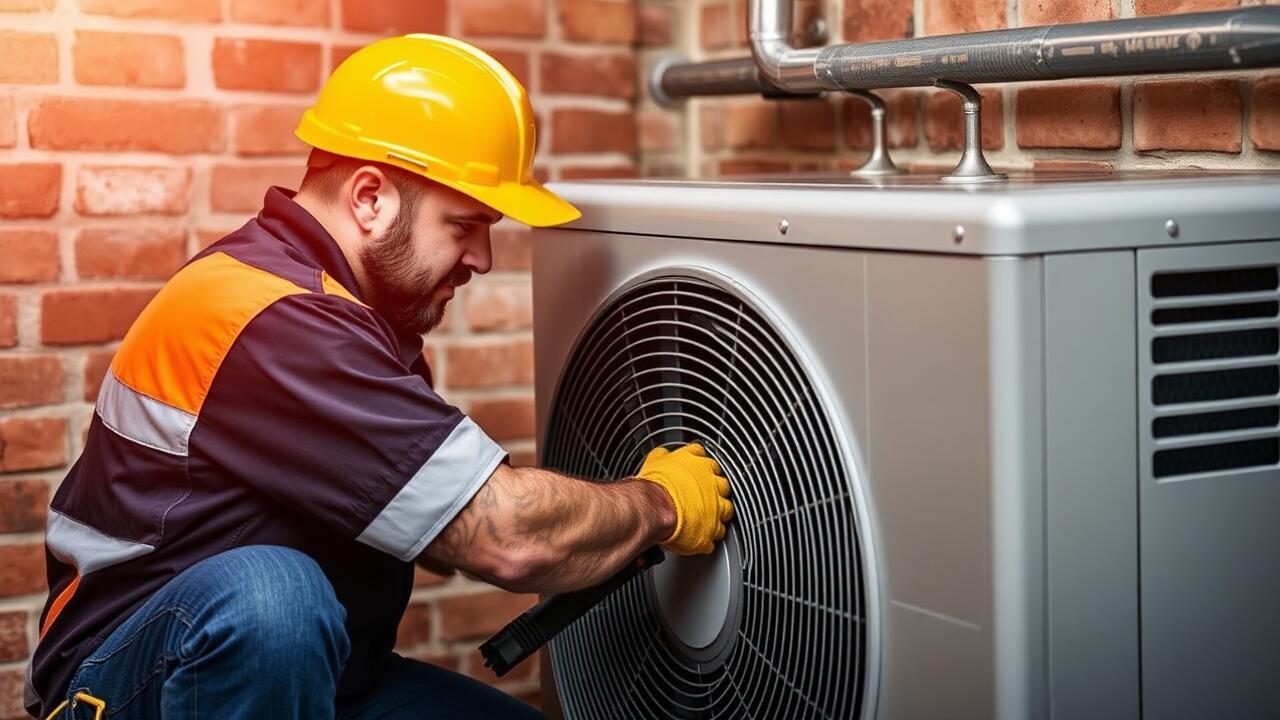
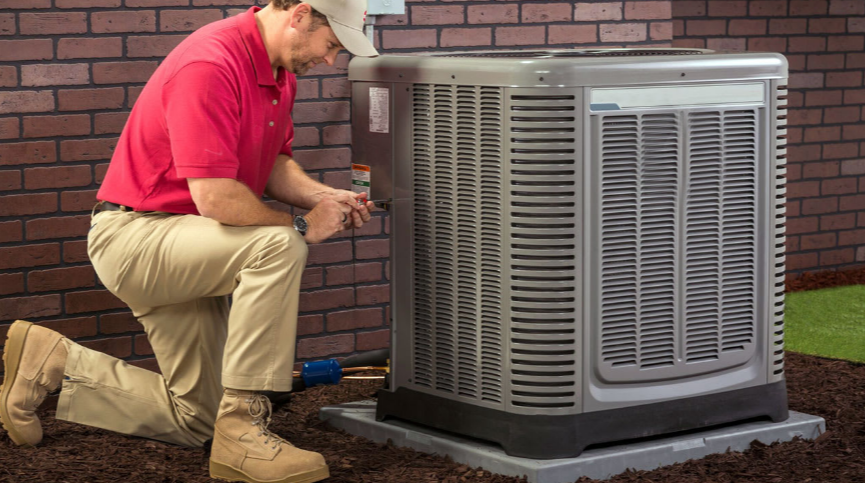
Regular upkeep of heat pumps is essential to ensure they operate efficiently throughout their lifespan. Neglecting maintenance can lead to reduced performance and increased energy consumption. It is recommended that homeowners schedule annual inspections and servicing by a qualified professional. During these visits, components such as filters, fans, and refrigerant levels can be checked and adjusted as necessary. Failure to maintain these systems can result in unexpected breakdowns or costly repairs.
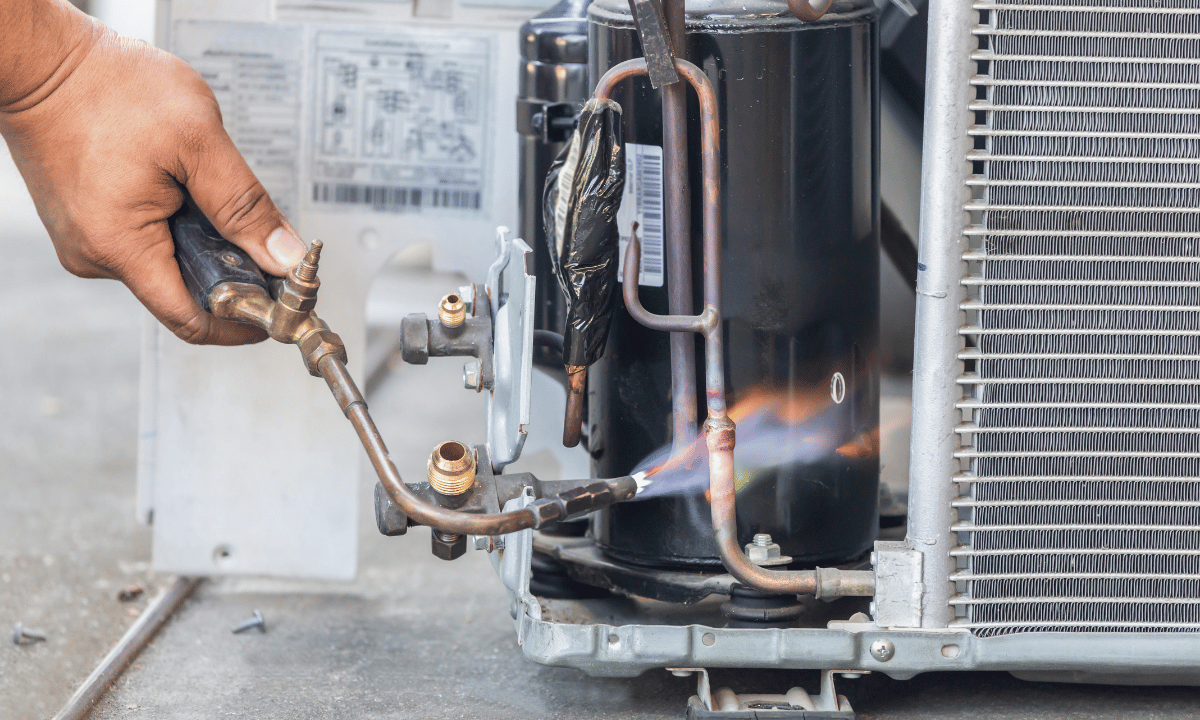
Potential issues can arise over time, especially if the system is not regularly serviced. Problems such as refrigerant leaks or malfunctioning sensors may develop, leading to inefficiencies or even complete system failure. Homeowners in Bournbrook, Birmingham, looking at options like Heat Pumps For Homes must consider the aspect of maintenance seriously. Understanding the importance of proper care can prevent most common issues and enhance the longevity of the heat pump system.
More tips and tricks can be found here.
Regular Upkeep and Potential Issues Over Time
Regular upkeep is essential for the efficient operation of heat pumps. Homeowners must be prepared for routine maintenance tasks, which include checking refrigerant levels, cleaning filters, and inspecting ductwork. These tasks can help ensure optimal performance and longevity of the system. Neglecting maintenance may lead to issues such as reduced efficiency and increased energy costs, potentially resulting in costly repairs over time. For residents considering this technology, services like Heat Pumps For Homes Harborne, Birmingham, offer expertise in maintaining these systems.
Potential issues can arise as heat pumps age. Components such as compressors, fans, and electronic controls may experience wear and tear, leading to performance declines. Regular inspections can help identify these issues early, minimising the risk of breakdowns. Moreover, homeowners might face difficulties related to the integration of heat pumps with existing home heating solutions, which could complicate maintenance efforts. Understanding these factors is crucial for anyone looking to invest in such systems.
Environmental Impact
The environmental impact of heat pumps is a significant consideration, especially in the context of their increasing popularity. While these systems offer a more energy-efficient alternative to traditional heating methods, their overall carbon footprint can vary. Factors such as the source of electricity used to power the heat pump play a critical role in determining their sustainability. In regions where renewable energy sources are prevalent, heat pumps can significantly lower greenhouse gas emissions. Conversely, in areas reliant on fossil fuels for electricity, the benefits may be diminished.
For households considering options like Heat Pumps For Homes Birchfield, Birmingham, it is essential to assess their environmental implications comprehensively. The lifecycle assessment of heat pumps includes not just their operational emissions but also the impact of manufacturing and disposal. It is crucial to evaluate how this technology aligns with broader sustainability goals, particularly as the UK moves towards net-zero targets. Understanding these factors can help homeowners make informed decisions about the potential benefits and drawbacks of integrating heat pumps into their homes.
Evaluating the Carbon Footprint of Heat Pumps
The carbon footprint of heat pumps is generally perceived to be lower than traditional heating systems, especially when considering the source of electricity used to power them. In regions like the UK, where a significant portion of energy generation is transitioning towards renewable sources, the overall emissions associated with heat pump operation can be substantially reduced. However, this advantage can vary depending on regional energy mixes and the times of year when energy demand peaks.
In areas such as Stechford, Birmingham, where households are exploring options like "Heat Pumps For Homes Stechford, Birmingham," it becomes essential to assess local energy sources. The effectiveness of heat pumps in reducing carbon emissions heavily relies on the blending of renewable energy within the grid supply. While heat pumps provide immediate environmental benefits, their overall impact remains contingent on a broader commitment to decarbonising the energy sector.
Compatibility with Existing Systems
Integrating heat pumps into existing heating solutions can present various challenges for homeowners. Many traditional heating systems, such as gas or oil boilers, operate on different principles and efficiencies compared to heat pumps. This discrepancy often requires significant alterations to plumbing and ductwork, leading to increased costs and installation time. Homeowners may need to invest in additional insulation or adapt their current radiators to accommodate the lower operating temperatures of heat pumps, which can further complicate integration.
Additionally, the size and layout of a property can limit the feasibility of fitting a heat pump. Smaller homes or those with unconventional designs may struggle to accommodate the necessary equipment, whether a ground source heat pump or an air source variant. For residents in areas like Birchfield, Birmingham, where traditional heating systems are prevalent, the transition to heat pumps might involve elaborate modifications. Homeowners should carefully consider these factors before making a decision, ensuring that their heating system will be both efficient and practical for their unique circumstances.
Integrating Heat Pumps into Current Heating Solutions
Incorporating heat pumps into existing heating systems can be a complex process. Household setups vary significantly across the UK. Adapting a heat pump requires careful planning to ensure compatibility with other heating solutions, such as traditional boilers or radiators. Older systems may not be designed to work efficiently alongside heat pumps and could necessitate extensive modifications. The transition may also involve additional costs for retrofitting homes, which can deter some homeowners.
Heat Pumps For Homes Moor End Green, Birmingham, have gained popularity for their energy efficiency and lower operating costs. However, integrating them into older properties often presents challenges. Homeowners may need to upgrade insulation or replace radiators to effectively utilise the lower temperature water that heat pumps provide. Without these adjustments, the efficiency and performance of the heating system could diminish, leading to higher energy bills and subpar comfort levels. The success of this integration largely depends on the specific conditions of the property and the system already in place.
FAQS
What are the main maintenance requirements for heat pumps in the UK?
Heat pumps require regular maintenance, including cleaning filters, checking refrigerant levels, and ensuring the system is operating efficiently. It's recommended to have an annual service by a qualified technician to address any potential issues.
Do heat pumps have a significant environmental impact?
While heat pumps are generally considered more environmentally friendly than traditional heating systems, their overall carbon footprint depends on the source of electricity used to power them. If the electricity comes from renewable sources, the impact is significantly reduced.
Can heat pumps be integrated with my existing heating system?
Yes, heat pumps can often be integrated with existing heating solutions, but compatibility may vary. It’s important to consult a professional to determine the best approach for your specific system and needs.
What are some potential issues that can arise with heat pumps over time?
Common issues include reduced efficiency due to lack of maintenance, refrigerant leaks, and compressor failures. Regular upkeep can help prevent these problems and ensure the system operates smoothly.
Are heat pumps suitable for all types of properties in the UK?
Heat pumps can be suitable for various properties, but their efficiency may be affected by factors such as the size of the home, insulation quality, and the existing heating system. A thorough assessment by a professional can help determine suitability.