Table Of Contents
Maintenance and Safety Regulations
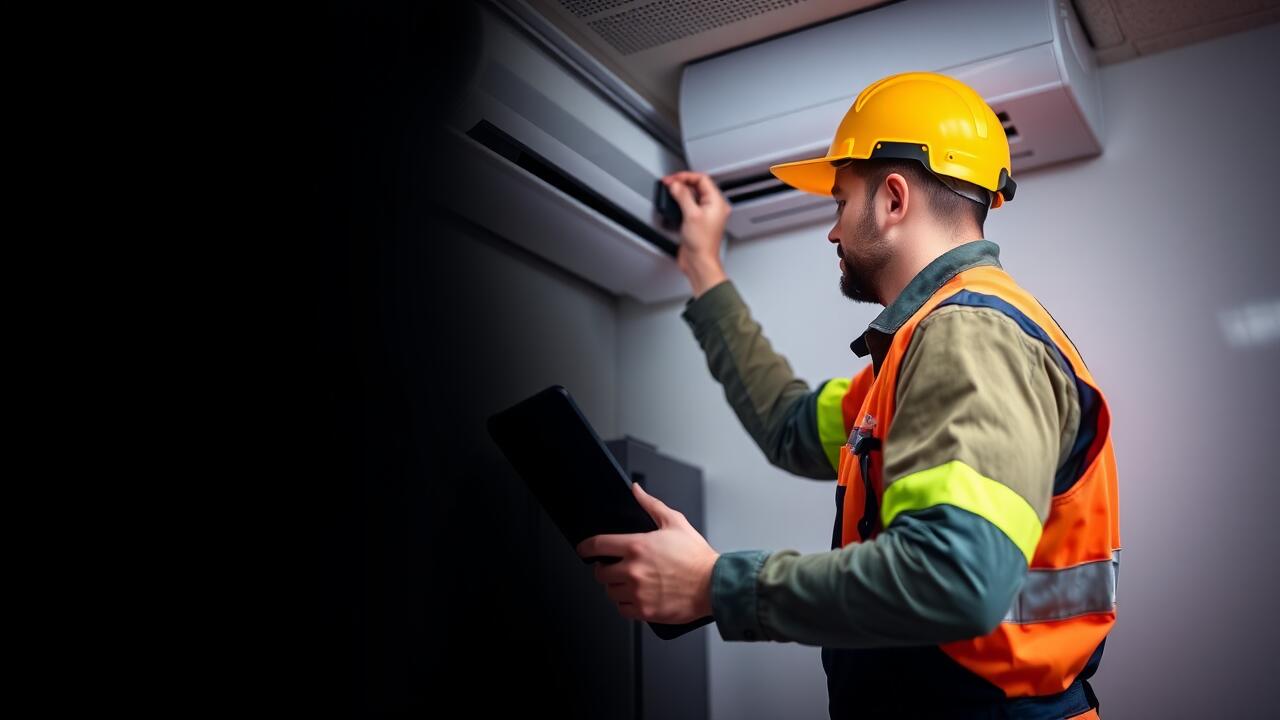
Proper maintenance of air conditioning systems is essential to ensure efficient operation and reduce the risk of safety hazards. Regular inspections can identify issues such as refrigerant leaks, electrical faults, and component wear. These checks not only help to maintain optimum performance but also comply with health and safety legislation. For businesses relying on air conditioning, such as those in Office Air Conditioning Brookvale Village, Birmingham, adherence to maintenance schedules is critical to avoid potential fines and ensure a safe environment for employees.
The safety regulations surrounding air conditioning also extend to the disposal of old units and refrigerants. It is important for businesses to follow the correct procedures for removing and disposing of hazardous materials, as improper handling can pose significant environmental threats. Compliance with these regulations helps to mitigate risks and promotes responsible management practices within the industry. Regular training and updates for staff handling air conditioning units are essential to maintain safety standards and ensure regulatory compliance.
Continue reading this article for more information.
Best Practices for AC Maintenance
Regular maintenance of air conditioning systems is essential to ensure their efficiency and longevity. It is advisable to schedule professional inspections at least once a year. During these inspections, qualified technicians can check coolant levels, clean or replace filters, and assess the general condition of the unit. Homeowners and business owners should also conduct routine visual checks for any signs of wear or damage. A clean and well-maintained system not only operates more effectively but also reduces the risk of costly breakdowns.
In addition, keeping the area around the unit clear of debris and ensuring that vents are unobstructed can significantly enhance performance. Owners should be mindful of the noise levels and unusual smells as these might indicate underlying issues. For those based in regions like Office Air Conditioning Sherborne Wharf, Birmingham, it is particularly important to be proactive in maintenance, as the local climate can affect system performance. Regular upkeep will contribute to a comfortable indoor environment while promoting energy efficiency.
Restrictions on Certain Types of Refrigerants
The use of certain refrigerants in air conditioning systems is subject to stringent regulations in the UK. These restrictions have been imposed to minimise environmental impact, particularly concerning substances that deplete the ozone layer and contribute to global warming. The European Union's F-Gas Regulation has been pivotal in this area, aiming to phase down the use of hydrofluorocarbons (HFCs) and promoting alternatives that are more environmentally friendly. This regulatory framework ensures that businesses and homeowners alike must stay informed about the types of refrigerants being used, thereby encouraging the adoption of sustainable practices in the industry.
For sectors like air conditioning, particularly in places such as Office Air Conditioning Gib Heath, Birmingham, it is essential to comply with these regulations. Choosing compliant refrigerants not only avoids potential fines but also enhances the overall efficiency of cooling systems. As the industry adapts, there is a growing emphasis on training technicians to handle new refrigerants and ensure systems operate within legal guidelines. This proactive approach forms part of a broader commitment to sustainability and environmental responsibility in the UK.
The Role of F-Gas Regulations
F-Gas regulations play a crucial role in managing the environmental impact of refrigeration and air conditioning systems. These regulations aim to reduce greenhouse gas emissions by controlling the use of fluorinated gases, which are potent contributors to global warming. In the UK, businesses and service providers must comply with these regulations to ensure that their systems are efficient and environmentally friendly. Compliance not only aids in reducing carbon footprints but also aligns with national and international climate goals.
For companies offering services like Office Air Conditioning Kings Heath, Birmingham, adhering to F-Gas regulations is vital. It involves proper certification for technicians who handle refrigerants, ensuring that any leaks are promptly repaired and that systems are disposed of responsibly. This commitment to regulatory compliance reflects a broader dedication to sustainability and responsible business practices, which is becoming increasingly important to consumers and regulatory bodies alike.
The Effect of Climate Change on AC Usage
Climate change has led to an observable shift in weather patterns, resulting in hotter summers and milder winters across the UK. This has inevitably influenced the demand for air conditioning systems, particularly in urban areas where the heat island effect is more pronounced. As temperatures rise, businesses and residential properties increasingly rely on cooling solutions to maintain comfortable environments, highlighting a growing trend in air conditioning usage that extends beyond traditional settings.
In locations like Aston, Birmingham, the need for effective cooling solutions, such as office air conditioning, has become more prevalent. As the implications of climate change are felt more acutely, businesses are compelled to invest in advanced air conditioning systems to ensure employee comfort and productivity. The increase in demand for such systems raises questions about energy consumption and the need for sustainable practices in their operation, urging stakeholders to seek environmentally friendly options.
Trends in Air Conditioning Demand
The demand for air conditioning has seen a significant surge in recent years, particularly in urban areas like Birmingham. Extreme weather patterns have heightened the need for effective cooling solutions, prompting both residential and commercial properties to invest in air conditioning systems. The trend reflects not only rising summer temperatures but also a growing recognition of the importance of maintaining comfort in living and working environments.
In Brookvale Village, businesses and offices are increasingly turning to air conditioning to ensure a pleasant atmosphere for employees and clients alike. The popularity of Office Air Conditioning Brookvale Village, Birmingham, illustrates this shift, as companies seek to enhance productivity and wellbeing through climate control. As concerns about climate change intensify, many are also looking for energy-efficient systems that reduce environmental impact while offering essential relief from heat.
FAQS
Is air conditioning legal in the UK?
Yes, air conditioning is legal in the UK, but it must comply with specific regulations regarding safety, maintenance, and environmental impact.
What are the maintenance requirements for air conditioning units in the UK?
Air conditioning units must be regularly maintained to ensure safety and efficiency. This includes checking refrigerant levels, cleaning filters, and servicing the system in accordance with manufacturer guidelines and legal standards.
Are there any restrictions on the refrigerants used in AC units?
Yes, there are restrictions on certain types of refrigerants due to their potential impact on the environment. The use of high global warming potential (GWP) refrigerants is regulated under F-Gas regulations.
What are F-Gas regulations?
F-Gas regulations are European Union laws aimed at reducing emissions of fluorinated gases, which contribute to climate change. These regulations govern the use of certain refrigerants in air conditioning systems.
How is climate change affecting air conditioning demand in the UK?
Climate change is leading to increased temperatures, which has resulted in a growing demand for air conditioning systems in the UK as more people seek to maintain comfortable indoor environments.