Table Of Contents
Air Conditioning Maintenance and Regulations
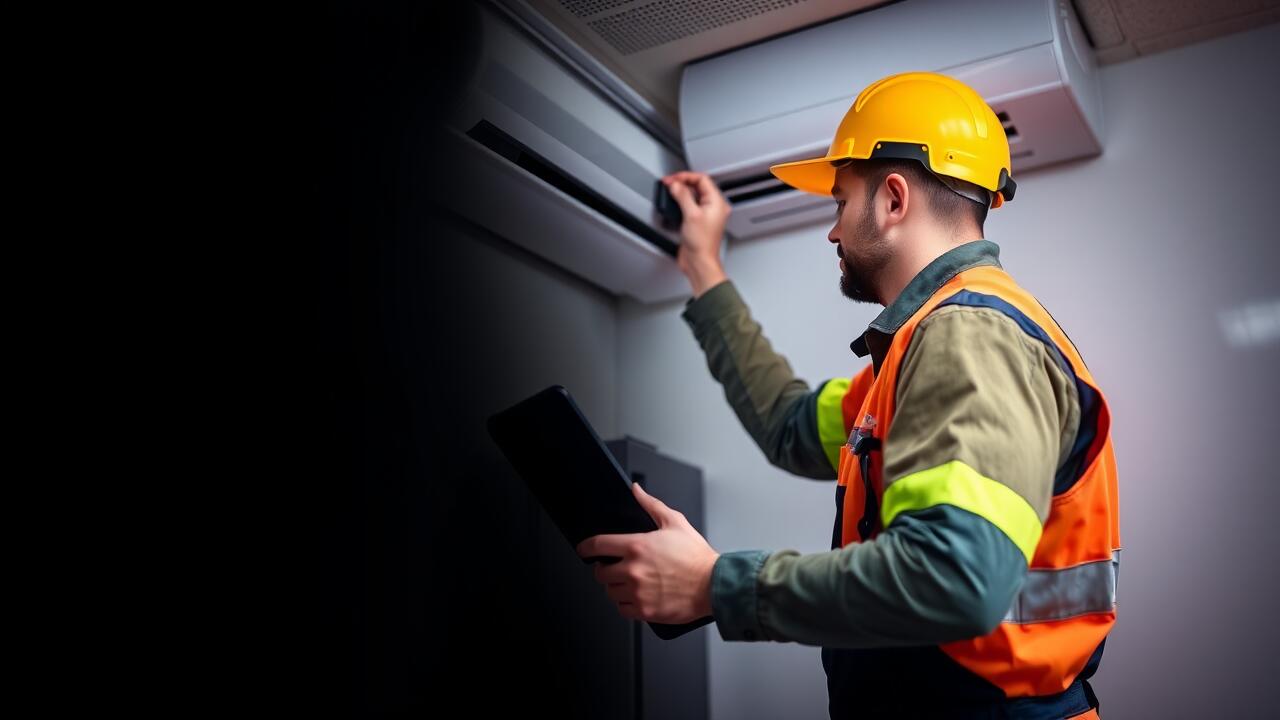
Regular maintenance of air conditioning systems is essential for ensuring optimal performance and complying with regulations. In the UK, businesses are required to adhere to specific standards that govern the efficiency and safety of these systems. Regular inspections, cleaning, and servicing help to identify potential issues before they escalate. This proactive approach not only prolongs the lifespan of the equipment but also ensures that the air quality in workplaces remains high, which is crucial for employee health and productivity.
Businesses in regions like Brindley Place, Birmingham, must also pay attention to the legal obligations regarding refrigerants used in air conditioning systems. The F-Gas regulations require operators to maintain records of their systems and prevent leakage of these potent greenhouse gases. Awareness of such regulations allows companies to avoid hefty fines and contributes to environmental preservation. By investing in proper air conditioning maintenance, businesses can demonstrate their commitment to sustainability while enhancing operational efficiency.
This new blog post covers this topic in more detail.
Ensuring Compliance and Efficiency
Businesses in the UK are required to adhere to specific regulations regarding air conditioning systems. Compliance with the Energy Performance of Buildings Regulations and the F-Gas Regulations is crucial for ensuring that systems not only operate efficiently but also reduce environmental impact. Regular inspections are mandated, especially for systems with a cooling capacity of over 12 kW. This process helps identify any inefficiencies or potential issues, enabling businesses to maintain optimal performance and avoid hefty penalties.
Efficient air conditioning systems can lead to significant cost savings over time. Upgrading to more energy-efficient models or incorporating smart technology can improve temperature control and reduce energy consumption. For example, in Office Air Conditioning Brindley Place, Birmingham, implementing these strategies can enhance workplace comfort while also ensuring compliance with environmental standards. This proactive approach not only benefits the business financially but also contributes to a more sustainable future.
Alternatives to Air Conditioning
In recent years, many businesses have begun to explore alternatives to traditional air conditioning systems to manage indoor temperatures. Natural ventilation remains a popular choice, allowing fresh air to circulate through seemingly unobtrusive openings. This method harnesses environmental factors like wind and temperature differentials to cool spaces without the energy consumption associated with mechanical systems. In areas like Brindley Place, Birmingham, where office buildings are designed with sustainability in mind, integrating natural ventilation provides both an eco-friendly and cost-effective solution.
Passive cooling techniques also play a vital role in creating comfortable work environments. These strategies utilise design elements such as shading, thermal mass, and insulation to minimise heat absorption while enhancing airflow. By strategically positioning windows and incorporating green roofing, businesses can significantly reduce their reliance on active cooling systems. In regions like Birmingham, these methods are becoming increasingly relevant, offering practical alternatives to Office Air Conditioning Brindley Place, Birmingham while promoting energy efficiency and reducing carbon footprints.
Exploring Natural Ventilation and Passive Cooling
Natural ventilation and passive cooling are increasingly considered by businesses as sustainable alternatives to traditional air conditioning systems. These methods leverage the natural flow of air and temperature differences to maintain comfortable indoor environments. Effective design can harness wind and thermal buoyancy, allowing fresh air to circulate while expelling hot air through strategically placed openings. This approach not only reduces energy consumption but also enhances indoor air quality by bringing in outdoor air.
In cities like Birmingham, options for natural ventilation are particularly relevant due to the growing concern about energy efficiency in commercial spaces. Implementing these techniques can be especially beneficial for offices that are situated in a densely populated area, such as those near Office Air Conditioning Brindley Place. By carefully planning the layout and employing materials that facilitate heat diffusion, businesses can achieve a cooler workspace without the reliance on mechanical systems. Such strategies not only support environmental goals but can also contribute to creating healthier work environments for employees.
Technological Advances in Air Conditioning
Recent developments in air conditioning technology have transformed how businesses manage indoor climates. Innovations such as variable refrigerant flow systems allow for better energy efficiency and individual zone control, providing tailored comfort for different areas within a facility. Many companies are now opting for systems that utilise smart technology. These advancements facilitate remote monitoring and management, resulting in reduced operational costs.
In urban areas like Brindley Place, Birmingham, the demand for efficient office air conditioning systems has risen significantly. The integration of IoT (Internet of Things) technologies enables businesses to optimise energy use and maintain ideal temperatures automatically. Such systems not only enhance user comfort but also contribute to sustainability efforts by lowering carbon emissions associated with traditional cooling methods.
Smart Systems and Energy Management
Advancements in technology have significantly transformed the landscape of office air conditioning systems, enabling greater energy efficiency and improved comfort levels. Smart systems now incorporate automated controls that adjust temperature settings based on occupancy and environmental conditions. Businesses can optimise their energy consumption, especially in spaces such as Office Air Conditioning Brindley Place, Birmingham, where maintaining a comfortable working environment is essential for productivity.
Energy management software plays a crucial role in monitoring usage patterns and identifying peak demand times. Real-time data allows facility managers to make informed decisions, leading to reduced operational costs and a smaller carbon footprint. The integration of these technologies presents a holistic approach to climate control, catering to both employee needs and sustainability goals within the corporate landscape.
FAQS
Do most businesses in the UK have air conditioning?
Many businesses in the UK do have air conditioning, particularly in sectors where temperature control is crucial, such as IT, hospitality, and retail. However, the prevalence of air conditioning can vary depending on the type of business and its location.
What regulations govern air conditioning in UK businesses?
UK businesses must comply with several regulations regarding air conditioning, including the Energy Performance of Buildings Regulations and the F-Gas Regulations, which set standards for energy efficiency and refrigerant management.
How can businesses maintain their air conditioning systems?
Regular maintenance for air conditioning systems involves routine inspections, cleaning of filters, checking refrigerant levels, and ensuring that the system operates efficiently. It's advisable for businesses to schedule professional servicing at least once a year.
Are there alternatives to traditional air conditioning for businesses?
Yes, businesses can explore alternatives such as natural ventilation, passive cooling techniques, and ceiling fans. These methods can be effective in managing indoor temperatures without relying solely on air conditioning.
What are the benefits of using smart air conditioning systems?
Smart air conditioning systems offer numerous benefits, including improved energy efficiency, remote temperature control, and the ability to integrate with building management systems. These features can lead to significant cost savings and enhanced comfort for employees.