Table Of Contents
Economic Impact in Japan
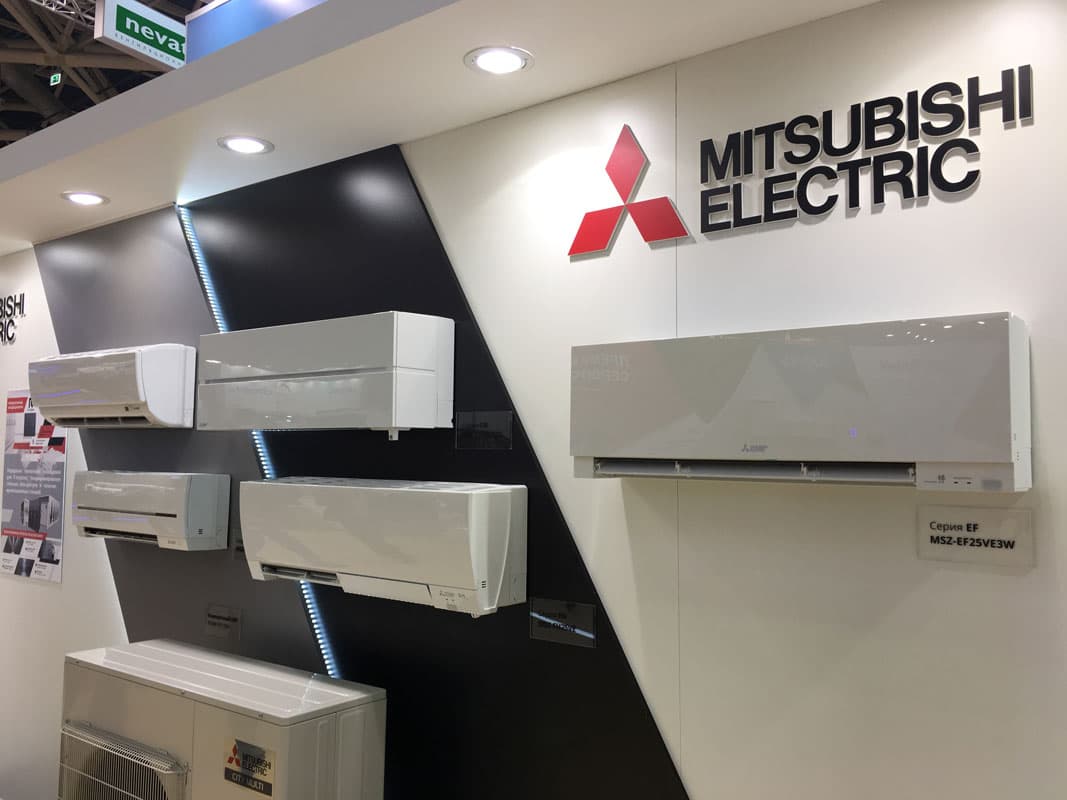
Mitsubishi Electric Navigate to this website to learn more.plays a significant role in the Japanese economy, contributing to both employment and export values. With a workforce comprising thousands of employees, the company supports various local industries, enhancing economic growth in Japan. Its extensive range of products, from air conditioning systems to industrial automation equipment, showcases technological advancement and boosts domestic manufacturing sectors.
The company's commitment to innovation has led to substantial investments in research and development. Mitsubishi Electric actively collaborates with academic institutions and industry partners, fostering a culture of innovation. This focus not only strengthens its position in the global market but also enhances Japan's reputation as a hub for cutting-edge technology and engineering excellence.
Contributions to the Japanese Economy
Mitsubishi Electric plays a significant role in the Japanese economy through its diverse range of products and services. The company is a leading player in the manufacturing sector, contributing to technological advancements and providing a plethora of job opportunities. By focusing on innovation and high-quality production, Mitsubishi Electric stimulates economic growth and strengthens Japan's position in the global market. Its commitment to sustainability also aligns with national objectives, promoting advancements that benefit both the environment and the economy.
The presence of Mitsubishi Electric within various industries, including automotive, energy, and information technology, enhances the overall economic landscape of Japan. As one of the key contributors to the export market, Mitsubishi Electric helps sustain a robust trade balance for the country. The company’s investment in research and development further fosters a culture of innovation, reinforcing Japan's reputation as a leader in technology and manufacturing. This dynamic not only ensures continued growth for Mitsubishi Electric but also fortifies Japan's economic resilience in a competitive global environment.
Cultural Significance in Japan
Mitsubishi Electric holds a prominent place in Japanese culture, reflecting the nation’s post-war industrial growth and advancements in technology. Founded in 1921, the company quickly became synonymous with quality and innovation, contributing significantly to Japan's reputation for reliable engineering. Its products, ranging from air conditioning systems to advanced communication technologies, are widely recognised and appreciated both domestically and internationally. This recognition enhances national pride in Japanese craftsmanship and engineering excellence.
The company's involvement in various initiatives extends beyond mere business operations. Mitsubishi Electric actively participates in community and educational projects that promote technological literacy and environmental sustainability. Through these efforts, the company reinforces the importance of innovation within Japanese society, inspiring future generations to pursue careers in science and technology. This cultural engagement strengthens the bond between Mitsubishi Electric and the Japanese populace, fostering a sense of shared identity and purpose.
Mitsubishi Electric and Japanese Innovation
Mitsubishi Electric has played a pivotal role in the advancement of technology within Japan. The company has consistently invested in research and development, leading to numerous breakthroughs in various fields, including electronics, transportation systems, and energy solutions. This emphasis on innovation has allowed Mitsubishi Electric to stay at the forefront of technological progress, driving improvements in efficiency and sustainability across many industries.
The company's commitment to innovation extends beyond mere product development. Mitsubishi Electric fosters a culture of creativity and collaboration, encouraging its employees to explore new ideas and push the boundaries of what is possible. This focus on cultivating innovative talent has not only contributed to the company’s success but has also significantly influenced Japan’s standing as a leader in technology and engineering on the global stage.
Competitors in the Market
Mitsubishi Electric faces competition from several prominent companies within the electronics industry. These competitors range from global giants such as Siemens and Schneider Electric to leading domestic firms like Panasonic and Hitachi. Each competitor brings unique strengths and innovations to the market, challenging Mitsubishi Electric to continuously adapt and improve its product offerings. The competitive landscape is marked by rapid technological advancements, requiring companies to stay ahead in developing cutting-edge solutions.
In responding to these competitive pressures, Mitsubishi Electric has focused on its core areas of expertise, including industrial automation, energy systems, and smart building technologies. The company aims to differentiate itself through sustainable practices and innovation-driven strategies. This approach not only enhances its market position but also contributes significantly to the ongoing evolution of the electronics sector. As the industry continues to evolve, Mitsubishi Electric remains committed to meeting the changing demands of consumers and industries alike.
Major Competitors in the Electronics Industry
In the highly competitive electronics industry, Mitsubishi Electric faces formidable rivals that significantly shape the market landscape. Companies such as Panasonic, Toshiba, and Sony are all key players, each offering a wide range of products and innovations. These competitors not only challenge Mitsubishi Electric in terms of technology but also in brand recognition and consumer loyalty. Their diverse portfolios and global reach lead to intense competition in various segments, including consumer electronics, industrial automation, and energy solutions.
Another prominent competitor is Hitachi, which, like Mitsubishi Electric, has a diverse range of operations from information technology to social infrastructure. This breadth allows Hitachi to compete effectively in both domestic and international markets. Additionally, emerging players in the tech sector continue to disrupt traditional market dynamics, compelling established companies, including Mitsubishi Electric, to innovate continually. Keeping pace with these competitors is crucial for maintaining market relevance and driving future growth.
FAQS
Is Mitsubishi Electric a Japanese company?
Yes, Mitsubishi Electric is a Japanese company, founded in 1921 and headquartered in Tokyo, Japan.
What role does Mitsubishi Electric play in the Japanese economy?
Mitsubishi Electric significantly contributes to the Japanese economy through its innovation, job creation, and export activities in the electronics and electrical equipment sectors.
How has Mitsubishi Electric influenced Japanese culture?
Mitsubishi Electric has played a crucial role in shaping Japanese innovation and technology, contributing to the country's reputation as a leader in electronics and manufacturing.
Who are Mitsubishi Electric's main competitors?
Major competitors of Mitsubishi Electric in the electronics industry include companies like Hitachi, Toshiba, and Panasonic, among others.
What types of products does Mitsubishi Electric manufacture?
Mitsubishi Electric manufactures a wide range of products, including air conditioning systems, elevators, factory automation equipment, and various electronic components.